
Author Archives: admin-progasllc

Technology Used in Oil and Gas Industry

Latest Technologies in Oil and Gas

The oil and gas industry has long been a driving force behind technological advancements and with the increasing demand for cleaner, more renewable energy sources, our industry is constantly looking for ways to improve operations while minimizing irs impact on the environment.

Technology is a major driver towards progress in any industry, and oil and gas is no different. Here are some of the latest technologies having a major impact on the industry:

Big Data

“Big data” refers to extremely large sets of data that are too complex or massive for traditional data processing methods to handle. This data is generated from various sources like social media and internet searches and can be in the form of text, images, audio, and video.

Big data is being used to collect and analyze vast amounts of data to gain insights into operations and identify opportunities for improvement.

In oil and gas, big data is being used to track the performance of equipment, identify potential problems, and improve safety. By using big data, oil and gas companies can make informed decisions about operations and maintenance, improving efficiency and reducing downtime.

Artificial Intelligence (AI) and Machine Learning (ML)

AI is being used to automate tasks, improve decision-making, and optimize operations throughout seemingly all industries. In the oil industry, AI is being used to identify potential leaks in pipelines, predict when equipment will need to be repaired, and optimize drilling patterns.

By using AI, companies can save time and money while reducing their impact on the environment.

A subset of AI, machine learning is being used to train machines to learn from data and make predictions. In oil and gas, ML is helping improve production, reduce costs and improve safety.

Virtual Reality (VR) and Augmented Reality (AR)

Virtual Reality (VR) and Augmented Reality (AR) technologies are revolutionizing the way industries train their employees and conduct their operations. In hazardous environments like oil and gas, employees must operate complex equipment, machinery and face many risks.

VR and AR can simulate real-world scenarios and allows trainees to practice and refine their skills in a safe and controlled environment.

By simulating scenarios that could occur in natural gas production facilities and well sites, trainees can learn how to respond to them correctly, and the company can identify potential hazards and risks. The ability to learn from past incidents and near-misses and simulate them in VR and AR environments can reduce the chances of accidents and improve safety measures.

3D Printing

3D printing is becoming an increasingly popular tool for prototyping, manufacturing parts and creating custom tools for a variety of applications. One primary benefit of 3D printing is the ability to create highly complex and customized components that would otherwise be difficult or expensive to produce using traditional manufacturing methods.

For example, 3D printing can create replacement parts for oil and gas equipment that has been damaged or worn out. By printing these parts on-demand, gas companies can reduce the amount of downtime associated with equipment maintenance and repair, as well as minimize the costs associated with sourcing and shipping hard-to-find replacement parts.

3D-printed valves, flanges and connectors can be designed to fit specific equipment and applications, providing a level of precision that just can’t achieved with off-the-shelf components.

Join Pro-Gas Services in Building the Future of Oil and Gas

As technology continues to evolve, we can expect even more advancements that will further improve the industry and its impact on the world.

Are you a part of the oil and gas industry and looking for ways to improve efficiency, safety and environmental impact?

Pro-Gas Services can help! Our team of experts is well-versed in the latest standards and technologies and can provide innovative solutions tailored to your unique needs. Contact us today to learn more about how we can help you take advantage of these cutting-edge technologies and take your operations to the next level.
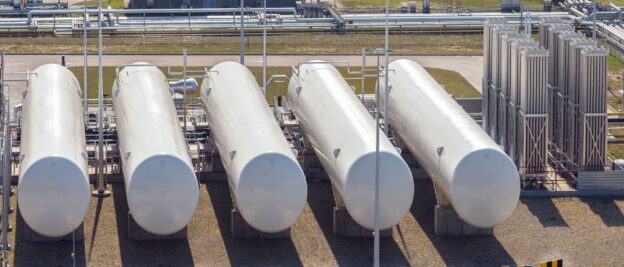
Reasons to Order NGL Storage from Pro-Gas, LLC

Why Natural Gas Fits in the Renewable Energy Conversation

Renewable energy may be the resource goal of the future, but the current push towards sustainable resources doesn’t cut natural gas out of the equation.

The transition to renewable energy is one of humanity’s most important challenges, and we’re ready to be a part of it. With the world facing the impacts of climate change, even the natural gas industry can say that it’s time to welcome sustainability and fossil fuels under one roof.

While renewable energy sources like wind and solar are the key to achieving this transition, natural gas can also play a useful role during this period of change. Let’s dive into how natural gas can help make a difference in sustainability and why the world will always need us around!

Backup Power

Windmills and solar panels are renewable energy sources that suffer from intermittency.

They only produce energy when the sun is shining, or the wind is blowing. If these factors aren’t in place, there’s no natural energy production.

Lack of power in a market full of supply and demand can create severe challenges for the electricity grid.

They require backup power sources to ensure a reliable electricity supply. Natural gas power plants can serve as a backup power source when renewable energy sources are not producing enough electricity.

Trust our fossil fuels to help you keep the lights on, no matter what.

Transportation Fuel

While society may be taking steps forward with electric cars, we are still a ways away from using renewable energy sources as a total fuel for transportation.

For example, shipping and aviation currently still heavily relies on natural gas and liquified natural gas to get their engines running.

Natural gas may not be renewable, but using it can reduce emissions in comparison to gasoline or diesel fuel use.

Let natural gas help you put your best foot forward within sustainability and climate control efforts that come with renewable energy.

Energy Storage

You know the old saying about “saving up for a rainy day”? The same thought process can apply to natural gas and renewable energy. We’ve already gotten into how natural gas can power plants when the sun isn’t shining or the wind isn’t blowing. But what happens when energy sources produce more than what’s already in demand?

Natural gas can also be used as an energy storage medium. When renewable energy sources produce more electricity than is needed, excess electricity can be used to generate hydrogen, which can then be stored in natural gas pipelines. When renewable energy sources are not producing enough electricity, this stored hydrogen can be burned to generate electricity.

Step into Sustainability With Pro-Gas Services

Renewable energy sources like wind and solar are the key to achieving a sustainable, low-carbon energy system. Natural gas can also play a useful role during the transition. From serving as a backup power source to fueling transportation, it’s an efficient method for bridging the gap between fossil fuels and renewable energy.

While media outlets tend to pit natural gas against renewable resources, the truth is that natural gas can help us move towards a cleaner, more sustainable energy future. At Pro-Gas Services, we are dedicated to helping build these bridges for facilities and mining sites.

From gas conditioners to storage, we have you covered. Contact us today to learn more about our services.

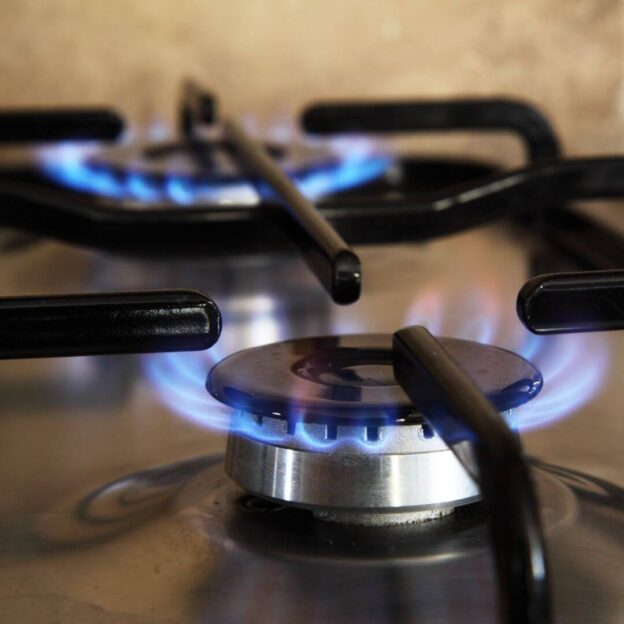
Natural Gas Stove Burner

Expert Tips for Safe Usage and Management of Natural Gas

At Pro-Gas Services, our lives revolve around the benefits of natural gas. In fact, we’d bet dollars to donuts that your life also runs on this natural fuel. After all, 62 million homes in the United States use natural gas for heat alone!

While we all love the benefits of heat and comfort that natural gas brings our homes, we must remember that it can also be a resource that is dangerous when used improperly.

From gas leaks to fires, there are many ways natural gas can negatively affect your life. We’re here to help ensure you get the best from our favorite energy source.

Here’s a look at some of our top tips for using natural gas safely in your home.

Know the Signs that Something is Wrong

Signs of a gas leak aren’t always as prominent as a heavy smell in the air. Which is why over 400 people die every year from undetected carbon monoxide leaks.

Yes, a heavy smell of rotten eggs in or around your home is a clear sign that you may have a gas leak.

Other symptoms to look out for include dying plants, hissing sounds coming from your appliances, steadily rising gas bills, and signs of natural gas poisoning like severe headaches, memory loss, and lost of consciousness.

What to Do When You Find Signs of a Gas Leak

The moment you believe you have a gas leak get all people and animals out of your home. Strive to open as many windows as possible in the process.

Once you’ve evacuated your home, contact your local gas company and fire department for further help.

Watch the Kiddos Around Gas Appliances

Younger children love to twist knobs and press buttons. So, it’s no surprise that natural gas appliances can be a target for their curiosity. It’s essential that you keep all younger children away from natural gas stoves and heaters. In the process, take the time to teach them about natural gas safety, the signs of a problem and what they should do if they ever suspect a natural gas leak.

Install Carbon Monoxide Detectors in Your Home

Installing carbon monoxide detectors in your home is an important safety precaution to help protect you and your family from the dangers of a natural gas leak.

You should have at least one carbon monoxide detector on each floor of your home, ideally close to sleeping areas where people are most vulnerable to the effects of the gas.

Additionally, all carbon monoxide detectors should be tested regularly to ensure they’re working properly; a good rule of thumb is once every six months.

By installing these devices and checking them regularly, you can help ensure that any dangerous buildup of carbon monoxide will be detected before it becomes a problem for you or your loved ones.

How Do You Test a Carbon Monoxide Detector?

Fortunately, testing your carbon monoxide detectors is a simple task. Your carbon monoxide detector will have a test button on the alarm. Hold this button down and listen out for a series of four beeps, followed by another four beeps for around 5 seconds.

Hearing the beeps? Your detector is protecting your home and is in working order!

Latest Natural Gas News from Pro Gas Services LLC

At Pro-Gas Services, we are here to help residential and commercial gas users get the most from their natural gas usage in the safest way possible.

Stay updated on further safety tips with us! And if you’re a natural gas facility manager that wants to work with the most effective and safe mining and fuel conditioning equipment, our Texas team is the one to have on your side.

Contact us today to learn more about our services.

Natural Gas in the Food Industry

How Does Natural Gas Impact Commercial Sectors?

As the world shifts towards cleaner and more sustainable energy sources, natural gas has emerged as a viable and efficient option for multiple sectors.

It’s no secret that industries are constantly evolving to keep up with the demands of modern consumers. Therefore, in order to offer faster, safer, and more reliable services, businesses across all industries are increasingly turning to natural gas as a solution.

At Pro-Gas Services, we are all about natural gas and the positive impact it has on the businesses we help serve. Let’s take a closer look at the many ways in which natural gas is revolutionizing various industries.

Natural Gas Makes the Food Service Industry a Powerhouse

Switching to natural gas can be advantageous for both the environment and the bottom line. Powering restaurants with natural gas ensures a more sustainable and cost-effective alternative to traditional energy sources like coal and oil.

Moreover, natural gas equipment often boasts higher thermal efficiency, allowing for faster cooking times while evenly distributing heat throughout the cooking surfaces. This means tha patrons experience shorter wait time for food while also getting consistent satisfaction of food doneness.

Gas-powered stoves, ovens, grills, steamers, and even deep fryers, are helping the food industry optimize cooking practices and ensure natural gas takes up the mantle as one of the most efficient energy sources in modern society.

Natural Gas Helps Businesses Promote Positive Environmental Impact

As previously mentioned, natural gas is a cleaner-burning fuel compared to alternatives like coal and oil. It produces around 45 percent less carbon dioxide when burned and emits fewer harmful pollutants like nitrogen oxide and sulfur dioxide.

Therefore, using natural gas in most major commercial sectors helps business owners reduce greenhouse gas emissions and take a positive step toward climate control.

In short, natural gas is a sustainable energy source that is perfect for any establishment that is committed to doing its part for the environment.

Enhanced Resilience During Emergencies

As many Texans witnessed first-hand a couple of years ago in a major winter storm, a long time without electricity can be dangerous under extreme conditions. Natural gas plays a crucial role in bolstering resilience across various industries during emergencies. During that winter storm, outages had little to no impact on gas-powered appliances.

Unlike electric power, which is vulnerable to interruptions caused by storms, natural gas is often delivered via underground pipelines, making it less susceptible to external disruptions.

This feature is particularly vital for many industries like food service, which can face considerable losses due to power outages. By having natural gas as a backup or primary energy source, savvy business owners can enhance their operational resilience and ensure business continuity in the face of nature-induced challenges.

Embrace the Wonders of Natural Gas with Pro-Gas Services, LLC

Opening the arms of your business to natural gas can help you take full advantage of all the benefits the energy source has to offer. If you’re a business owner or just someone that’s curious about the many ways natural gas shapes our economy, we specialize in both helping the natural gas industry and spreading the word on the latest industry news.

At Pro-Gas Services, we provide facilities and mining sites with essential fuel conditioning equipment that helps providers create natural gas products that keep industries on the move.

If you manage a facility and want to have the latest equipment under your employ, reach out to us today to learn more about our product availability!

Uses of Oil and Gas in Ancient Times

How Ancient Civilizations Used Petroleum

While modern society often takes oil and gas for granted, the truth is that petroleum is a versatile resource that has been around for centuries.

In fact, ancient civilizations in China and Greece used petroleum products in their everyday lives. Let’s explore how these civilizations used petroleum and the importance it played in their culture.

The Ancient Chinese and Petroleum

The earliest record of petroleum use comes from China during the 4th century BC. The Chinese were known to use natural gas to boil salt water and distill it to produce kerosene and seasoning for food.

The Chinese were also one of the first civilizations to simplify oil transportation. They regularly created pipelines from bamboo to transport natural gas that powered their capital cities.

The Ancient Greeks & Petroleum

In Ancient Greece, the famous physician Hippocrates prescribed a mix of tar, pitch, and sulfur to treat skin diseases like psoriasis.

This concoction was believed to reduce inflammation or even cure cancerous lesions by causing a wound-like reaction on the skin to help kill off diseased cells.

The Greeks are also believed to have obtained asphalt from Lake Asphaltites ( The Dead Sea) in Syria, which they would then use for caulk boats or build roads.

The Persians Believe Crude Oil Contained Medicinal Properties

While the ancient Greeks turned to oil for medicinal practices, they weren’t the only budding civilization to do so.

The ancient Persians believed that crude oil had a range of medical benefits, from alleviating pain to healing skin and treating digestive issues. They would apply the oil directly on the skin to treat muscle soreness and joint pain.

The compounds in crude oil were believed to be beneficial for overall health and well-being. The Persians also thought that this natural substance had powerful anti-inflammatory effects and could be used to reduce swelling and inflammation.

Oil was Often Used as a Waterproofing Agent

In ancient times, crude oil was also commonly used as a waterproofing agent. The Persians would use it to water-proof items such as clothing, leather, and even boats.

When applied to fabric or leather items, the oil would form an impenetrable barrier against water. Additionally, the oil could be mixed with wax to create a thicker coating that was even more waterproof.

The Ancient Greeks and Romans were also known to use oil for waterproofing purposes such as protecting their ships’ wooden hulls from water damage. They discovered that applying a mixture of crude oil and beeswax offered better protection than either constituent alone. This helped keep their vessels seaworthy for longer periods of time.

The waterproofing properties of crude oil have been known for centuries. They are still used in modern times in various forms of industrial and consumer products ranging from building materials to personal care products.

How Will Future Generations Look Back on Our Petroleum Use?

It’s incredible to think about how advanced our ancestors were when it came to using petroleum products for everyday items like medicine or construction materials! While we may not be able to replicate their success now due to environmental regulations, we can certainly appreciate the innovation they brought forth!

Thanks to them, we now have access to a variety of uses for this versatile resource! It’s also funny to think that someday in the distant future, people will study how our societies put oil and gas to good use.

If you manage an oil and gas production facility, you want to ensure you’re making the best products for a brighter future. Do it correctly with natural gas coolers, storage tanks, and more from Pro-Gas Services, LLC.

We’re ready to make your site the best it can be. Contact us today!

Advantages of Petroleum include filling up our gas tanks

Key Advantages of Petroleum in Modern Society

From ancient times to creating massive innovations throughout different industries, petroleum is a product we’ve used for centuries.

Petroleum powers the cars we drive, bring energy into our homes, and generally make our lives easier. At Pro-Gas Services, we understand all of the good that oil and gas provide to the communities we serve. Let’s take a closer look at some of the top advantages of petroleum production in the modern world and why it’s one of the most valuable resources on the planet.

Energy Production and Storage

Petroleum is one of the biggest sources of energy production and storage. It is frequently used as fuel to power cars, trucks, ships, planes, and even space shuttles.

Homes and businesses worldwide benefit from petroleum and use it to generate electricity and heat homes and businesses.

However, it is not just the energy production that makes petroleum valuable; it also has excellent storage capabilities. Since petroleum is a limited resource, storing it safely in tanks for extended periods of time is critical. When stored effectively through something like our NGL storage products, petroleum doesn’t lose any potency or quality.

This allows users to store large amounts of petroleum for future use when needed.

Petroleum is a Cost-Effective Solution

Petroleum is also a cost-effective solution for many applications. Compared to other sources of energy, such as solar or wind power, petroleum’s effectiveness doesn’t require expensive equipment and maintenance costs.

Petroleum offers a much more affordable option for powering homes and businesses. Furthermore, since it is widely available worldwide at a relatively low cost, petrol can easily be accessed by anyone who needs it quickly or in large quantities without spending too much on transportation costs.

Job Creation from Petroleum

Another major advantage of petroleum is that it creates jobs worldwide. The industry provides employment opportunities for millions of people working in various roles, from production to manufacturing to transportation.

Additionally, companies involved in oil exploration often provide employment opportunities in remote areas where few other options are available. Our industry can help reduce poverty by providing stable incomes to people who may not have access to other work or income-generating activities.

High Energy Density

Another advantage of petroleum is its very high energy density. It can store more energy in less space than any other fuel source. This allows us to use smaller amounts of petroleum for larger tasks like powering vehicles or generating electricity for homes and businesses. This makes it an ideal choice for those who need reliable energy but don’t have much storage space.

Convenience & Flexibility of Petroleum

Petroleum products are also highly convenient and flexible. They can be used in various ways depending on the user’s needs.

Aside from powering up cars and generating energy, petroleum can be used to create plastics or synthetic fibers for clothing or other materials.

Reach Your Full Petroleum Potential With Pro-Gas Services, LLC

Petroleum has repeatedly proven itself as an invaluable resource with many uses and benefits that make life easier worldwide. However, when mining for the resources that make petroleum or managing a facility that creates petroleum products, you need the best on your side.

At Pro-Gas Services, LLC, we are dedicated to helping your facility or drill site optimize and be productive. Our products, like gas conditioners, gas coolers, and NGL storage, help you ensure you’ve completed a job well done.

Contact us today to learn more about our available services and products in your area.

Doctor puts on latex gloves

How Do Oil and Gas Impact the Healthcare Industry?

Healthcare is not the first thing to come to mind when you think about the oil and gas industry. Most people think about gasoline for their cars or natural gas for their homes. The healthcare industry, however, is deeply intertwined with the oil and gas industry.

Healthcare and the Oil and Gas Industry

It is amazing how these two industries are intertwined. The first and most obvious connection is the need for gas to transport patients and for healthcare workers to use to get to work.

Further, many medical facilities also rely on natural gas or propane to operate equipment, including hospital food service equipment.

Most medical facilities also have backup generators to power their buildings in the event of a power outage.

Petroleum Provides for Patients

Beyond the operating needs of different medical facilities, the petroleum industry is also integrated into treating patients.

Latex gloves, medical tubes, adhesives, and some bandages are all petroleum-based products. Some medicines have petroleum products, and many disinfectants and cleaners that hospitals use are petroleum-based. Personal protection equipment and hand sanitizers are also petroleum-based products necessary in the healthcare industry.

Many people do not realize that artificial heart valves and many prosthetics are made from petroleum-based products. Some diagnostic equipment, including MRI machines, also have major parts that are made from petroleum-based materials.

Supply Chain Delays Impact More Than Gas Pumps

Disruptions in the supply chain for oil and gas products do more than cause pain at the gas pumps. These disruptions can have a severe impact on the healthcare industry. Medical facilities already experiencing high numbers of clients due to the recent pandemic may need the right equipment, supplies, or medications to avoid shortages or closures.

Politicians and industry leaders must consider petroleum-based products’ impact on the medical industry. Policies that reduce access to oil and gas can inhibit the quality of care people receive when they go to a medical facility for treatment.

Discover More Industry News and Information With Pro-Gas Services

Pro-Gas Services is a Dallas, Texas-based company that has been working in the oil and gas industry for decades. The company was founded by oil industry professionals that have nearly 100 years of experience in this industry.

Pro-Gas Services provides state-of-the-art gas production facility equipment that streamlines the process of producing natural gas liquids. Our equipment is designed to be portable to accommodate all oil and gas facilities. You can move the equipment anywhere that you need it in your facility.

Our dedication to customer service includes more than a friendly smile or an answer to your questions. We continually research this industry and seek out important new technologies that will help our clients prosper.

Pro-Gas Services is also very active in bringing current news to our clients about the oil and gas industries. Keeping informed about current events surrounding this industry will allow our clients to make informed decisions about their business.

When you need professional gas production equipment, you know that you can rely on Pro-Gas Services to provide you with state-of-the-art equipment at affordable prices.

Contact us today to learn more about our products and services.

Jobs in the Oil and Gas Industry

What Skills Do You Need to Work in the Oil and Gas Industry?

Working in oil and gas can be an extremely lucrative experience. That’s why the oil and gas industry is one of the most rapidly-growing sectors of the global economy.

As with all industries, a career in oil and gas requires a wide range of skill sets, from technical skills such as engineering and geology to management skills such as project management and finance.

If you are considering working in this field, it’s important to understand what job skill sets are required for success in oil and gas careers. Let’s take a look at what you’ll need to add to your resume during your job hunt.

Technical Skill Set for Oil & Gas Professionals

Oil and gas professionals will find themselves working with complex facility machinery like gas conditioners at drill sites. This means anyone in the field needs an extensive set of technical skills.

This includes knowledge of geological science, engineering principles, chemical processes, drilling methods, and safety regulations.

Depending on your role in the industry, you may need to be able to operate specialized equipment or interpret data from seismic surveys. You may also need a strong understanding of mathematics, chemistry, thermodynamics, fluid mechanics, and physics.

Our industry is quickly becoming a technologically-driven front. Digitalization plays an important role in tracking a site’s success. Therefore basic knowledge of computers, relevant software like Computer-Aided Design (CAD), and digital analysis programs is necessary.

Management Skills

In addition to technical expertise, oil & gas professionals also need various management skills. This includes understanding risk management processes, assessing financial information, overseeing projects, handling budgets, supervising personnel, communicating with stakeholders, understanding legal regulations in the field, and more!

Critical thinking in oil and gas is necessary, as several responsibilities in our field can branch off in different directions.

Industry Knowledge

Being passionate about your industry is one of the biggest steps toward succession in a career. Having a deep understanding of the oil and gas industry is critical for anyone who wants to succeed in this sector.

You should be familiar with industry regulations, safety protocols, environmental concerns, and business trends. Additionally, having a comprehensive knowledge of terminology used throughout the industry is essential for effective communication with colleagues or customers.

Our industry is always evolving and making waves in the news. Keeping up with industry knowledge can help you stay on top of critical developments that could push your career forward.

Soft Skill Sets

Beyond technical knowledge and managerial know-how, oil & gas professionals must also have soft skills such as problem-solving skills, negotiation techniques, teamwork capabilities, customer service aptitude, attention to detail, adaptability, time management techniques, organizational acumen, and creative thinking abilities.

While this list of soft skills may seem standard for any position, oil and gas is still a customer-first industry. Thus, all of these soft skills can help professionals make oil and gas a more reliable and trusted

Communication Skills

Although communication falls under the soft skills category, the team at Pro-Gas Services felt it was essential to make it its own skill set requirement.

Within the oil and gas industry, you must have strong verbal communication skills, including public speaking and active listening. Writing proficiency is also important, as much of your work will require reports or memos to be written quickly and accurately.

Moreover, interpersonal relationships are key when it comes to networking with colleagues and supervisors, which can lead to better opportunities down the line.

More About Working in Oil and Gas Careers

Working in the oil & gas industry requires an extensive set of both technical and managerial skill sets. If you have the technical and leadership skills our industry requires, take advantage of job availability where you can find it.

At Pro-Gas Services, we provide the industry with high-quality equipment and offer extensive insight into the latest happenings in oil and gas. If staying up-to-date on the best of the industry is your priority as a potential hire, you’re in the right place.

Contact us to learn more about our services.

gas production facility

5 Ways to Improve Your Oil and Gas Production Facility

Oil and gas production facilities are complex operations that require a great deal of attention to detail in order to ensure they run smoothly. Every element needs to be managed efficiently for optimal results, from the people who work there to the equipment used.

Fortunately, there are several steps you can take as an operator or manager of an oil and gas production facility to improve its performance and efficiency. Let’s examine five practical ways to improve your oil and gas production facility in the new year.

1. Stress the Importance of Safety Measures

Safety is of paramount importance at oil and gas production facilities. Accidents, injuries, and even fatalities can occur if safety measures are not taken seriously.

In the new year, operators and managers of production facilities can take the necessary steps to ensure the safety of their workers and equipment.

This includes providing appropriate training for personnel, implementing proper maintenance procedures, adhering to strict safety protocols, and conducting regular inspections to identify potential risks.

With a commitment to safety-first practices in place at an oil production facility, it will be better equipped to operate safely while also increasing productivity.

2. Upgrade Equipment for Increased Efficiency

Pro-Gas, LLC is a leader in providing oil and gas production facilities with the latest technology to increase their efficiency and productivity.

One of our most innovative products is our skid gas conditioner. As one of our several products that improve facilities, this gas-conditioning skid helps ensure that only high-quality natural gas reaches its destination.

Using Pro-Gas’s upgraded equipment like this, facilities can increase overall performance and reduce downtime due to the overall quality of equipment.

3. Monitor Your Site’s Performance Year-Round

Data analytics can be a powerful tool for monitoring performance at oil and gas production facilities. By utilizing data collected from various sources, such as well logs, production reports, and maintenance records, operators can gain valuable insights into how their facility is performing. For example, they can identify potential bottlenecks in production process flows or areas where energy efficiency

4. Invest in Renewable Energy Sources

As strange as it may sound, this wouldn’t be a massive leap, as oil and gas has been turning over a greener leaf over the last few years. Not only is investing in renewable energy sources more environmentally friendly, but it also has the potential to improve efficiency and reduce costs at oil and gas production facilities.

Additionally, these clean energies are generally easier to maintain than traditional methods since they require fewer moving parts and less upkeep. Investing in renewable energy for oil and gas production facilities is a smart move that provides numerous environmental benefits while improving overall performance levels at the same time.

5. Increase Facility Storage Capacity by Investing in Additional Storage

Pro-Gas Services can help oil and gas production facilities increase their storage capacity by providing portable NGL storage solutions. By investing in additional tanks for storing natural gas liquids (NGLs) such as propane, butane, and ethane, operators will be able to store more of these valuable resources onsite.

This not only increases the overall storage capacity of the facility but also reduces reliance on outside suppliers for fuel sources.

Make Your Facility a Pride Point of the Industry With Pro-Gas Services, LLC

Even if your oil and gas production facility consistently meets its goals, there is always room for improvement. With a reliable industry partner like Pro-Gas Services, LLC on your side, you can make subtle improvements to your equipment and practices that boost your efficiency and productivity.

If you’re ready to take on the new year with a new gas conditioner or Fuel Genie, contact us today to learn more about our product availability in your area.

Oil Rig Worker at risk of a fall

Top 6 Most Common Injuries to Workers in the Oil & Gas Industry

The oil and gas industry involves working daily with potentially dangerous materials and heavy-duty machinery like gas coolers and drills. It’s no surprise that a job in our industry means working in one of the most hazardous industries in the world.

Workers are exposed to a range of potential workplace hazards that can result in serious injuries. As we start a new year, many people will be looking for a new employment venture, and will excitedly turn to oil & gas.

While the team at Pro-Gas Services is always happy to see our industry flourish, we are also here to help ensure safety throughout our industry.

Here’s a closer look at a few of the most common injuries found in oil & gas and what managers and employees can do to help mitigate them in the new year.

Location is Always a Factor

Although local facilities allow workers to flourish at their jobs in their own communities, working on an important location like an oil rig comes with significant risks due to the location and isolation circumstances involved in any position.

Often oil rigs are extremely remote locations, and as of 2021, at least 201 of the oil rig locations are found on open water.

So, while we’re here to discuss specific injuries, we’d be remiss if we didn’t include the risk of harsh weather conditions, being so far removed from nearby medical professionals, and the increased risk of mental health issues due to being away from family and regular society for long shifts at a time.

Burns

Between the use of hot, complex machinery and the hot conditions and pressure oil and gas are placed under during processing, oil & gas employees are at risk of burn injuries from several angles.

Some of the most common causes of burn injuries in our industry come from flames expelled from equipment (i.e. torches), hot liquids like oils and chemicals, accidental explosions, and electrocution from misuse of equipment.

Many of these burn injuries are avoidable situations that site managers can mitigate through proper and continuous training for the equipment on site.

Slip-and-Fall Injuries

Oil rigs are complex worksites that can easily lead to serious slip-and-fall injuries. Most of these sites are multi-level locations that, combined with break-neck speed activity, potential weather conditions, and equipment misuse, can lead to slip-and-fall injuries that can put employees out of commission or lead to disasters like death or severe, permanent injuries like paralysis.

Musculoskeletal Injuries

Heavy lifting and repetitive motions from working in oil & gas can lead to musculoskeletal injuries.

Musculoskeletal injuries can progress over time if they are not treated properly and can impact the body in several ways. Some common symptoms of musculoskeletal injuries that can linger and impact lives include pain and stiffness throughout joints and muscles, swelling, inflammation, weakened muscles, and limited range of motion.

Vehicular Accidents

Oil & gas sites are expansive locations where several company vehicles are bustling around to help employees complete daily tasks. Sometimes the rush that occurs during transportation can lead to collisions that result in serious personal injury and death.

Chemical Exposure

Oil and gas are chemicals that contain harmful substances that can impact the body’s respiratory system if inhaled.

Improper protection and ventilation can easily lead to developing asthma, coughing, eye, nose, and throat irritation, headache, fatigue, and trouble sleeping.

Stay Safer Today, With Help from Pro-Gas Services, LLC

While preventative measures are taken to minimize these risks, workers and employers alike need to be aware of all potential hazards in this demanding environment, so proper protocols can be implemented to ensure safety. At Pro-Gas Services, we are committed to helping our clients understand how to properly and effectively use our equipment to each site.

If you’re a facility manager and are ready to work with the best cooling, storage, and fuel conditioning equipment in the industry, contact us today to learn more about our services and available products.