Author Archives: admin-progasllc

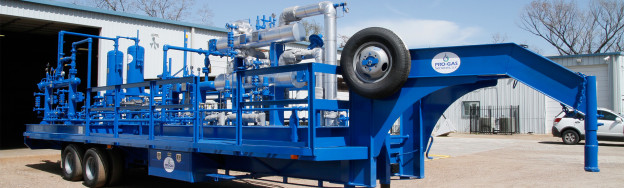
Fuel Conditioniing Trailer

How to Choose the Right Gas Processing Equipment for Your Needs

Picking out new hardware for processing your incoming gas stream is often more than just a project manager’s shopping exercise. Many maintenance managers and project engineers struggle to balance equipment that can cover today’s flow demands with products that offer the technical flexibility if regulatory standards shift tomorrow, or next year. 

Where Capacity Needs were the focus early in the decade, we’ve since moved towards Asset Performance Management and Regulation-Flexible assets.

When choosing processing units, one of the first things to consider is the chemical and physical properties your feed gas will exhibit. 

  • Will you be monitoring wellheads, or designing for long-tail downstream distribution? 
  • Are you processing at lower pressures but needing ultra-high purity (UHP) or swinging to the other end of the spectrum? 

Matching the wrong compressor to gas type can result in premature failure or, at best, costly downtime. Let’s explore some more of the top things to consider when equipping your next high-output/high-margin operations project.

Top Considerations When Selecting Gas Processing Equipment 

Whether your facility is focused on natural gas, nitrogen generation, or just pure carbon dioxide filtration there are some processes every stream will run through. Nitrogen generators will always have to: 

  • Separate gas from liquid outputs
  • Include a dehydration step to remove possible hydrate-forming materials
  • Control the dew point of products scheduled for pipeline transport

Know Your Application and Feed Specs 

Step one in selecting the right equipment for your operations is understanding your application and feed spec.

It may seem simple, but take the time to identify exactly what your feed stream will look like before diving into catalogs and manufacturer data sheets. Understanding these fundamental building blocks will save you the time to evaluate the true needs of your operation.

What purity level does your application require? Identifying whether you need UHP nitrogen for analytical purposes or your quality controls can tolerate regular compressed air purity levels is vital.

What is your expected maximum flow rate? Can your new equipment meet or exceed this flow consistently? While discussing full-load efficiency is important, analyze how your compressors perform at every flow and pressure condition.

Sour Gas? If your stream has the potential to create hydrogen sulfide, make sure your vendor has treated their metals to handle sour service. Otherwise, your unit could fail years earlier than it should.

Don’t Discount Local Fabrication

Does your operation fall in between off-the-shelf pressures, or does sand particle size impact your equipment selection? If so, a local fabricator may be able to meet your needs. The key is to choose a vendor that uses their own equipment in the field. They will have discovered the deficiencies in popular designs and already implemented solutions.

Digital Twins

You’ll also want to take advantage of 2026’s newest technology and utilize digital twins! By applying IoT-read sensors to your assets and feeding that data back to an operating system, you can reduce O&M expenses by up to 20%.

Predictive Maintenance

Ensure your maintenance teams are ready to tackle this year and beyond. AI’s Predictive Maintenance capabilities can alert you up to 72 hours before emergencies or failures happen.

Play it Safe — And One Step Ahead of The Curve

Safety regulations, like the gas processing industry itself, doesn’t stand still. There have been several important updates from the Occupational Safety and Health Administration (OSHA) that every safety manager will need to bookmark. 

On February 13, 2026, OSHA published a correction to the Hazard Communication Standard (HCS). This revision clarifies the definition of critical temperature as it applies to gases under pressure. If your equipment doesn’t clearly identify or allow for proper recording of this data, your hazard classification could be thrown off — which impacts how a manufacturer (or your company) labels each chemical.

Miss these May 19, 2026 and November 20, 2026 deadlines and your organization could be fined thousands — maybe millions, depending on the severity of your outdated policies. Selecting equipment with digital recordkeeping and automatic SDS updates can help ease the transition into these new standards.

  1. Update hazardous-chemical labels & SDS to the newest GHS Revision 7 standards.
  2. Does your equipment have the capability to adapt to the new OSHA-required safety sensors?
  3. Have your operators been trained on emergency response protocol changes specific to your new 2026 equipment?

Procrastination is the enemy. Find out where your program is lacking now so you aren’t panicking when OSHA releases the next round of audits before every deadline.

Beyond Your Facility Investment | Consider Long-Term Ownership

Most procurement leads are concerned with the initial investment cost of any piece of equipment. However, the “real” cost of ownership should also account for operating expenses such as energy usage, maintenance budgets and the ease of switching fuel types (for sustainability directors looking to invest in “hydrogen-ready” assets).

Calculate Your Operational Overhead

Not all compressors and filter allows are created equal. Just because a unit can operate at 90% load doesn’t mean it is efficient at that same threshold. Know where your high demand periods are and if your equipment is optimized to those conditions. What about field service? Great equipment partners have 24/7 engineer hotline capabilities and spare parts depots strategically located within your region to ensure your operations face minimal downtime.

Call On Pro-Gas LLC | Let Us Help Maximize Your Long-Term Productivity

Here at Pro-Gas LLC we know picking out the correct gas processing hardware can be daunting. Not only is your decision a direct correlation to the safety of your employees and company assets but your bottom line. That is why we like to think of ourselves as more than just a vendor, but peer consultants that walk with you through every step of the process. Providing high authority technical advice and easy-to-follow instruction content so you can make the most informed decisions for your budget and immediate needs.

Whether you are a project engineer who needs compressor specs confirmed or a safety officer trying to understand the 2026 OSHA updates; we’ve got you covered and are ready to assist.

Pro-Gas LLC | Helping You Adjust to Today’s Changing Economy

FAQs

Q: How do I know what gas compressor to select?

Match the right compressor design to the gas you will be compressing. Also analyze how your unit will perform at every flow and pressure situation, not just its full load efficiency.

Q: What are the most important 2026 OSHA updates to know?

The two biggest updates effecting equipment selection are the clarification of “critical temperature” and the implementation of digital recordkeeping with automatic SDS updates.

Q: How can predictive maintenance help my current gas processing equipment?

Predictive maintenance allows you to pinpoint failures using AI and IoT sensors 72 hours before they would normally be detected. Overall O&M costs could be reduced by ~20%.


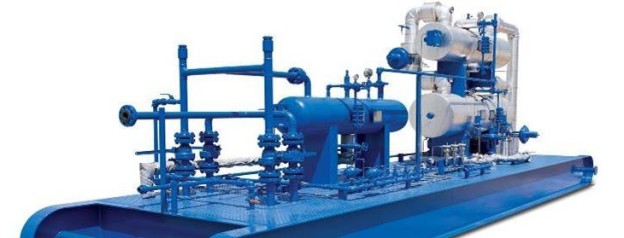
JT Fuel Conditioning Skid

Innovations in Natural Gas Processing: What’s New for 2026 and Beyond

Selecting new gas processing equipment is about striking a balance between mechanical efficiency, digital integration, and ever-changing legal mandates. Project engineers and operations managers looking to outfit plants for success in 2026 understand the simple task of satisfying flow requirements is a thing of the past.

Maintaining asset performance across the lifetime of your production assets while also remaining agile in the face of regulatory uncertainty is the name of the game when capital discipline is king. When you bring that mindset to your equipment selection, only then can you separate the high-performing facilities from those with lost downtime and liability.

However, knowing where to begin when faced with hundreds of industry-grade processing units can be daunting. Feed gas characteristics can vary wildly from wellhead to downstream processing applications, depending on desired purity, pressure, and volumetric throughput. It only takes one improperly specified compressor to bottleneck your process or experience structural failure. Here at Pro-Gas, we’ve compiled a list of factors to consider when making that critical selection.

Factors to Consider When Purchasing Gas Processing Equipment

Understanding your operating application and feed gas specifications is step one in any equipment-buying journey. While natural gas processing can involve many more intricate stages of processing, three primary steps are gas-liquid separation, dehydration (removing hydrate-forming contaminants), and dew point management for safe shipping and handling. All three stages require specific temperature and pressure-rated equipment to process your feed gas successfully.

We recommend taking a look at the following considerations before diving into hardware specs sheets.

Feed Gas Application and Specifications 

Spend some time identifying your operation’s unique needs before clicking “purchase.” Understanding the technical specifications of your feed stream will save you from buying units that are unnecessarily bulky or lackluster.

  • What purity of gas are you after? Feed applications requiring analytical testing will need ultra-high purity (UHP) gases while your everyday industrial application may be fine with commercial-grade purity.
  • What flow rate do you need to supply? Don’t just look at the rated flow of your systems–make sure your processing units can maintain their rated flow rate at your peak hours of demand. For compression units, graph the units’ efficiencies at all flows and pressures, not just the advertised rating.
  • Sour gas applications require corrosion-proofed equipment. If hydrogen sulfide (H2S) is expected in your feed gas, make sure your processing equipment comes treated with corrosion-resistant tools.

Hardware Flexibility

In general, off-the-shelf skids are sufficient for most applications. However, your wellhead pressures may be higher or your sand size may be larger than traditionally designed for. If you need a modification, look for a fabricator who runs their own equipment overseas. There is nothing more beneficial than employing a fabrication company that’s been on the ground troubleshooting common field failures. Chances are, they’ve already solved your problem and will work with you to improve their designs.

Predictive Maintenance in 2026

Predictive maintenance will be expected as standard equipment optimization in processing hardware.

IoT sensors paired with digital twins allow managers and stakeholders to monitor their assets as they operate, creating an opportunity for companies to reduce O&M costs by up to 20%.

Start identifying “bottlenecks” in your compression assets. Predictive AI notifies you of impending mechanical failures 72 hours before your normal sensor threshold is reached.

Safety and Regulatory Compliance

[cite]Implementing a safety protocol that cannot evolve with your company grows your risk of incident every year. We understand in 2026, safety officers are making sure they meet the OSHA Hazard Communication Standard (HazCom) deadline.

OSHA Compliance Dates to Remember in 2026

Safety managers have two deadlines to be mindful of when preparing for the newest revision to HazCom standards.

  • May 19, 2026
  • November 20, 2026

Equipment that can integrate digital recordkeeping and automatically pull the latest versions of safety data sheets (SDS) from your cloud storage will make life easier for you and your operations team.

There’s nothing worse than your team getting fined or facing liability because they weren’t using the most up-to-date safety protocols[cite: 93]. Ensure your equipment allows your teams to meet compliance deadlines by running you through this “60-second compliance check.”

60-Second Compliance Check

  • Were your hazardous-chemical labels and safety data sheets (SDS) updated to use GHS Revision 7?
  • Does your equipment have the ability to connect new safety sensors as they become mandated by OSHA?
  • Have your operators been trained on equipment-specific emergency response standards for your 2026 and beyond hardware?

Safety should never be compromised because you waited until the last minute to audit your equipment.

Total Cost of Ownership & Energy Transition Readiness

While sales leads are often directed by initial purchase price, we know the “real” cost of owning industrial equipment at Pro-Gas. Energy usage, maintenance costs, and equipment’s ability to transition to hydrogen or other energy alternatives are constantly discussed by our sustainability directors.

Operating Overhead

Not all processing equipment is optimized to run at 100% duty. That Rolls Royce piece of equipment you’re eyeballing may be costly to run if your average load is around 50%. Pro-Gas suggests asking the following questions before taking ownership of any equipment.

How much energy will this equipment draw when it’s running at my average load?

What does field technical support look like for this manufacturer? A true partner in equipment shouldn’t just sell you the hardware and split–look for companies that offer high-authority technical guidance as well as spare parts depots located in your equipment’s region of operation.

Equipment Selection in 2026

At Pro-Gas, we don’t want you to think of us as your vendor. We see every client as an opportunity to provide high-quality, peer-level consultation. Our goal is to arm you with enough technical know-how to make informed decisions about your equipment investments while providing step-by-step tutorials on maintaining your productivity well into the future. Whether you’re a project engineer who needs help deciphering technical specs or a safety officer scrambling to meet the latest compliance deadlines, we’ve got you covered.

Invest in your equipment knowledge and contact Pro-Gas today.

FAQ

Q. How does predictive maintenance save money on O&M?

AI-driven predictive maintenance allows you to put IoT sensors on your assets to monitor them while they are operating.Predictive AI will identify when your assets are approaching a “bottleneck” or potential failure up to 72 hours sooner than your normal sensor alert., allowing you to reduce O&M costs by up to 20%.

Q. What OSHA deadlines should I be aware of this year?

There are two key dates in 2026 that safety managers should keep an eye on when preparing to meet requirements for the latest update to HazCom standards: May 19 and November 20.

Q. How can I tell if my equipment is “hydrogen-ready”?

When we at Pro-Gas ask our sustainability directors what “hydrogen-ready” means for their current gas processing equipment, they always say the ability to transition. Hybrid-ready assets allow directors to plan for low-carbon futures without having to overhaul their current infrastructure immediately.

Oil Barrels and Dollar Signs

Efficiency & Compliance Drive Industrial Energy Profits in 2026

Two key phrases you will hear often this year from any executive in the energy sector are “capital discipline” and “cost reduction”. Translation for asset integrity managers, operations managers, project engineers, and welders: get more life and value out of what you’ve already got… despite a moving regulatory target and tougher operating conditions. 

Whether you’re scaling up natural gas production or decommissioning some wells, modern equipment should be designed for ease of installation and include artificial intelligence that protects your asset against downtime. 

Today’s production facilities must operate under an expanding range of wellhead pressures, temperatures, and flow volumes. Intelligent solutions require rugged hardware designed for direct exposure to raw natural gas — and smart software that can alert you to critical component wear before it causes a shutdown.

Modular Separation and Multi-Phase Filtration 

Whether you’re conditioning gas from a stripper well or maximizing recovery from a tight oil play, every production facility is only as good as its separation and filtration hardware. Self-contained, skid-mounted two-phase and three-phase separators are faster to install AND scale with changing well flow volumes.

  • Two-phase and three-phase separators prevent expensive liquid carryover with innovative internals like cyclonic inlet ports and high-volume mist extractors.
  • Filter separators remove particulates like dirt, rust, and pipe scale down to .5 microns to protect sensitive processing equipment.
  • If you’re working with high-BTU gas, a JT skid could increase productivity by recovering natural gas liquids (NGLs) and stabilizing the methane number of your fuel gas.

Pro Tip: Run “bottlenecks” through your compression assets. Our proprietary AI can alert you to upcoming performance issues 72 hours before normal sensors even trigger the alarm.

“Digital Is Operational” in 2026 

Remote and unmanned production sites require equipment that integrates with existing site infrastructure to give you real-time asset performance. Pro-Gas designs and builds each of our solutions with a robust network of industrial IoT sensors. Real-time data delivered to your connected devices lets you see your asset like never before.

With a “digital twin” of your physical asset modeled in the cloud, your engineers can visualize operational performance at any pressure/T loads. Soon enough, AI will be applied to energy vibration signatures and heat emissions to predict a critical component’s failure before it happens. This could reduce O&M costs by up to 20%.

Pro Tip: Actively Monitor Changing Regulations in 2026

Safety officers and EHS professionals understand that change is the only constant in environmental regulations. Just this year, the EPA published final rules amending the New Source Performance Standards (NSPS) for stationary combustion turbines in January.

  1. Existing equipment will be expected to comply with revised NOX emission standards.
  2. Compliance managers are scrambling to meet the first of two upcoming OSHA Hazard Communication Standard (HCS) deadlines, set for May 19 and November 20, 2026. 
  3. All equipment manufacturers will be expected to audit labels for completeness and certify they’re GHS Revision 7 compliant across their site.
  4. Vapor recovery units (VRUs) are popping up on tank batteries to recover “flash gas” that was previously flared or vented into the atmosphere.

Your 60-Second Compliance Audit 

Ask yourself three questions to see where you can improve compliance right now.

  • Do your equipment labels meet the latest GHS Revision 7 standards? If not, you have until May 19th of 2026. 
  • Are your separators equipped with sensors to detect liquid droplets getting past the demister and into the fuel gas line?
  • When was the last time your maintenance team performed service based on a calendar date, rather than IoT sensor input?

Call On Pro-Gas LLC | Partner For Long-Term Productivity

Pro-Gas believes your well is our well. That’s why we take the time to understand your production challenges and provide thoughtful recommendations to meet your business goals. Our comprehensive product catalog features everything from field gas conditioners and JT skids to portable NGL storage to help you keep more revenue at the wellhead. 

More than 90 years of professional experience is at your service from our San Antonio-based engineers and technicians. Contact us to streamline gas storage, verify your site is hydrogen-ready, or just to ensure your processes are optimized for runtime and runtime communications.

Frequently Asked Questions (FAQ) 

Q. What is a JT skid and how can it improve the quality of my fuel gas?

JT skids use the Joule-Thomson Effect to reduce the temperature of incoming high-BTU gas. As the gas cools, heavier hydrocarbons and liquids condense out of the gas stream, lowering BTU and dew point values. Once stabilized, your waste gas can be used as high-quality engine and turbine fuel.

Q. Why should I choose modular skid-mounted equipment? 

Prefabricated skids can be installed in a fraction of the time compared to traditional equipment. They’re also portable for quick turnover between sites and require less square footage for storage. Plus, everything needed to operate is built into one “plug and play” unit.

Q. How does predictive maintenance help my operations stay profitable?

Most plants and facilities use IoT sensors, but few are using those sensors to their full advantage. By analyzing energy vibration signatures and heat emissions with AI, you can plan maintenance around critical components BEFORE they fail and cause unscheduled downtime. Studies show this practice can decrease O&M expenses by up to 20%.


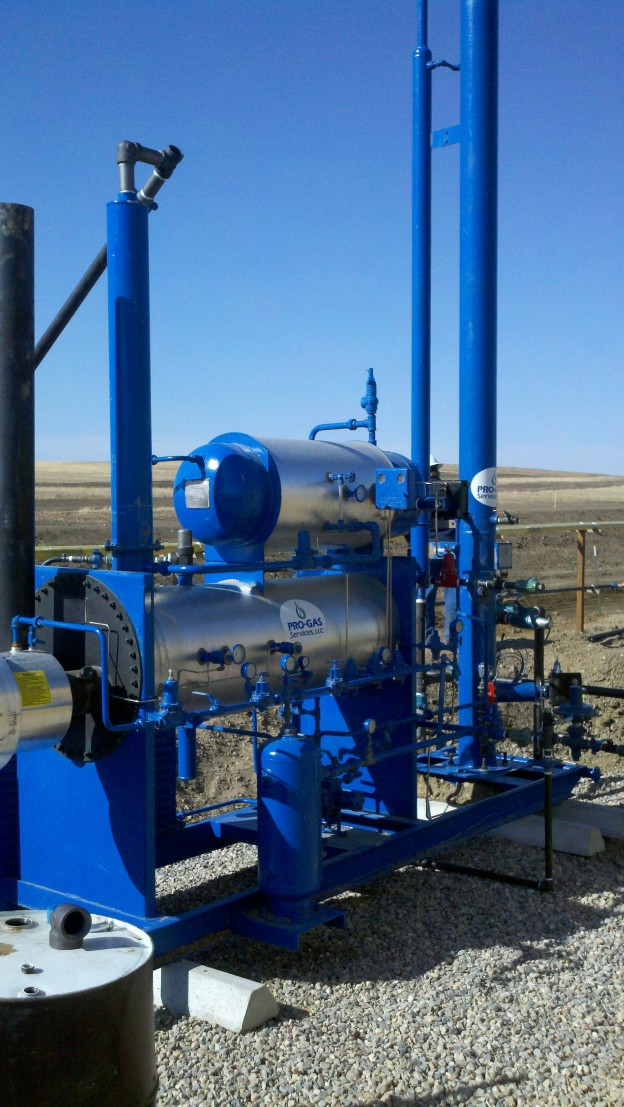
Natural Gas Production Facility Equipment

The Future of Fuel Gas Conditioning: Trends and Innovations

Conditioning raw gas at the wellhead used to mean “meet pipeline specifications.” Now, conditioning has grown to encompass everything you can do to protect high-dollar downstream assets and operate within capital discipline parameters. 

This year has placed additional importance on how operations managers and technical engineers can wring the most productivity out of every cubic foot of fuel gas while limiting routine maintenance events on rotating equipment. 

As industrial energy systems grow in complexity, so too should your strategy for treating that fuel. Let’s take a look at what’s coming down the pike.

Advanced Fuel Gas Conditioning Strategies 

From next-generation filtration to digital oversight, you can help future-proof your processing plant with these three fuel gas conditioning tips.

1. Improve Filtration & Separation 

Removal of liquid water and contaminants should always be your first line of defense in fuel gas conditioning, but legacy approaches can be improved with membrane separation technology and enhanced particulate filtration media.

  • Membranes vs Glycol: While glycol dehydration units are still very common, membrane separation systems offer operators a smaller footprint and zero volatile organic compound (VOC) emissions. The latest membrane skids offer up to 95% water removal efficiencies and require far less maintenance than traditional thermal regeneration units.
  • Solids and NGL Removal: Don’t let solids or natural gas liquids (NGLs) entering your compressor units go untreated. Similarly, if your gas stream feeds into an acid gas removal unit (AGRU), removing NGLs and solids before absorption can improve overall downstream asset performance. Avoid unnecessary unplanned shutdowns by removing solids and NGLs at the source.
  • Manage BTU Content: High-BTU gas can negatively impact engine performance through “knock” or turbine derating. Modern multi-stage conditioning skids can chill incoming gas down to -50°F using a Joule-Thomson (JT) valve and heat exchanger network. Dropping your fuel temperature removes heavy hydrocarbons, allowing you to maintain a consistent methane number (MN).

2. Transition to Digital Twins 

Digitally monitoring fuel gas conditioning trains isn’t new. What is new, however, is the transition from reactive asset maintenance to fully predictive oversight via digital twin technology.

Digital twins are essentially a real-time digital replica of a process asset or plant. Developing a digital twin of your fuel gas conditioning train lets operators test “what-if” scenarios and model proposed plant configurations without risk to actual assets. 

Aggregating IoT sensor data (vibration, temperature, differential pressure) through a digital twin interface can help detect deviations from nominal performance before they occur. 

Since these models isolate and analyze data patterns too small for human operators to notice, routine maintenance can evolve to fully predictive maintenance schedules. Asset health monitoring through predictive AI could reduce your unplanned downtime by half.

Tip: Are you constantly battling the same “bottlenecks” in your compression assets? Predictive, prescriptive AI can alert you to impending inefficiencies 72 hours before the lowest performing sensor in your network will.

Including AI predictive models in your regular maintenance schedule could decrease unplanned downtime by 30% to 50%. What’s more, total asset lifespan could see a 40% increase due to the regulatory agility and high-level oversight provided by these platforms. Predictive monitoring will be tablestakes for most processing facilities this year.

Hydrogen Blend Preparation 

The race to lower-carbon energy is coming to fuel gas treatment systems in the form of hydrogen blending.

  1. Audit your hydraulic assets for hydrogen compatibility.  All seals and piping should be screened for hydrogen compatibility. While most polyethylene (PE) piping can handle up to 20% hydrogen blending without issue, you may find your metallic valves and pumps require special coatings.
  2. Instruments will need to be upgraded.  Hydrogen isn’t methane, so your gas chromatographs and flow meters should be able to measure hydrogen BTU values in real-time. Otherwise, your combustion turbines could run too “rich” and avoid damaging turbine blades.
  3. Adjust your pressure regulation ramps.  Hydrogen has a lower molecular density than methane, which means your compression and pressure regulation values should be increased proportionally. Failure to account for this can result in your end-use equipment seeing wildly fluctuating levels of energy.

Take 60 Seconds to Check Compliance

Ask yourself these three questions to determine if your gas conditioning is prepared for 2026 safety standards.

  • Do your gas conditioning skids have IoT-enabled sensors for methane leak detection?
  • Do you find yourself making more “emergency” repairs, as opposed to scheduled maintenance events?
  • Is your existing infrastructure hydrogen-ready for 5%-to-10% blends?

If you answered no to any of the above questions, now is the time to reach out to your local processing equipment supplier. Ensuring your fuel gas is properly conditioned before it enters your pipe network can reduce maintenance costs and prevent catastrophic failure.

Call On Pro-Gas LLC | Excellence In Long-Term Productivity

Don’t let the technical jargon of fuel gas conditioning scare you into making expensive or unnecessary changes to your plant. When facing pressure from downtimes and regulatory mandates, who you choose as your partner can make all the difference. 

At Pro-Gas, our engineers specialize in custom skid-mounted JT plants and fuel gas conditioning solutions to treat your gas at the source. Contact us today to learn how you can maximize NGL recovery, reduce maintenance costs, and prepare your assets for tomorrow’s industrial energy landscape.

Frequently Asked Questions

Q. How will fuel gas conditioning affect my turbine efficiency?  

Condensing water vapor and heavy hydrocarbons before they reach your turbines ensures consistent BTU content while preventing liquid water carryover. Liquid droplets can pit turbine blades and disrupt ideal combustion temperatures.

Q. What are the advantages of using a membrane dehydration system?  

Membrane systems are modular and require very little maintenance. They also completely eliminate the need for chemical solvents and fire-tube reboilers used in glycol dehydration units. Just keep in mind that membrane systems aren’t as efficient or proven as glycol dehydration.

Q. Can I retrofit my existing conditioning skid for hydrogen?  

Yes, most skids can be upgraded with new sensors, hydrogen-friendly valves, and modified control logic. Our team can help you audit your current systems for compatibility with hydrogen rich-gas streams.

Natural Gas Liquids Storage NGL Storage

How Portable NGL Storage Solutions Enhance Operational Flexibility

The ability to adapt to market fluctuations and logistical bottlenecks is the difference between profit and loss, especially in energy production and logistics. We understand that infrastructure is often the most significant hurdle in scaling operations. As production volumes shift and midstream capacities tighten, we must look toward agile technology to maintain our edge. This is precisely why we advocate for a more dynamic approach to resource management.

Defining the Need | Portable NGL Storage Solutions | Natural Gas Liquids

The modern energy sector faces a unique set of challenges regarding Natural Gas Liquids (NGLs). These valuable byproducts — ethane, propane, butane — require specialized handling and containment. Traditional fixed infrastructure is often slow to build and incredibly expensive to decommission once a project concludes. This is where Portable NGL Storage Solutions change the game for our partners.

By utilizing mobile assets, we can deploy storage capacity exactly where it is needed most, whether that is at the wellhead or a remote processing terminal. This mobility allows us to capture value during periods of high price volatility without being tethered to a single geographic location. We have seen that the faster a producer can respond to market signals, the better their bottom line. For more information on the chemical properties and market value of these commodities, see the U.S. Energy Information Administration.

Maximizing Midstream Efficiency | NGL Storage Tanks | Pressure Vessel Technology

When we discuss the hardware behind these operations, the focus must be on safety and durability. Our NGL Storage Tanks are engineered to withstand the extreme pressures required to keep these liquids in a stable state. We utilize advanced Pressure Vessel Technology to ensure that every unit meets or exceeds ASME standards. This high-level engineering isn’t just about safety; it is about operational uptime.

When we integrate these tanks into a midstream workflow, we create a “buffer” that protects against downstream interruptions. If a pipeline goes offline or a fractionator reaches capacity, our portable units allow production to continue without the need for costly flaring or shut-ins. This flexibility is a core component of modern risk management.

Tip: You can check out the technical specifications for high-pressure containment with a visit to the American Society of Mechanical Engineers’ site.

Strategic Deployment | NGL Recovery Solutions | Mobile Storage Units

The process of implementing these systems is straightforward but requires careful planning. We approach every project with a strategy centered on NGL Recovery Solutions. This involves capturing the liquids that would otherwise be lost in the gas stream and converting them into a transportable, sellable product.

By pairing recovery equipment with Mobile Storage Units, we provide an end-to-end solution that bridges the gap between extraction and the final market. These units can be trucked in, hooked up, and operational in a fraction of the time it takes to pour concrete for a permanent site. We have found that this “plug-and-play” capability is essential for short-term projects or testing new fields where the long-term viability is still being determined. The environmental benefits of capturing these liquids are well-documented by the Environmental Protection Agency at https://www.epa.gov/natural-gas-star-program.

Step-by-Step | Integrating Portable Storage into Your Workflow

To help you visualize how these assets fit into your daily operations, we have outlined the following implementation process:

  1. Site Assessment | We begin by evaluating the flow rates and specific composition of your Natural Gas Liquids.
  2. Modular Selection | Based on the volume, we select the appropriate NGL Storage Tanks and specialized Pressure Vessel Technology to handle the specific PSI requirements.
  3. Logistics and Setup | We mobilize the Mobile Storage Units to your location. Because they are designed for transport, they require minimal site preparation compared to fixed tanks.
  4. Connection and Commissioning | Our team integrates the units with your existing NGL Recovery Solutions, ensuring all safety valves and monitoring systems are calibrated.
  5. Monitoring and Scaling | As your production increases, we can easily add more Portable NGL Storage Solutions to the site without interrupting current operations.

Overcoming the Logistical Hurdles | Mobile Storage Units | Pressure Vessel Technology

One of the greatest fears in our industry is “stranded gas.” This occurs when the cost of transporting the product exceeds its value due to a lack of local infrastructure. We combat this by using Mobile Storage Units as a temporary staging ground. This allows for the accumulation of enough product to justify a large-scale transport, such as a rail car or a large tanker truck, rather than relying on constant, small-scale shipments.

The reliability of these units stems from our commitment to Pressure Vessel Technology. We know that these tanks will be moved across rugged terrain and exposed to harsh weather. Therefore, we prioritize heavy-duty materials and redundant safety systems. This durability means that our equipment can be relocated from the Permian to the Bakken without a loss in performance or integrity.

Enhancing Profitability | NGL Recovery Solutions | NGL Storage Tanks

Ultimately, our goal is to increase your revenue. Every gallon of liquid that is captured through NGL Recovery Solutions and held in our NGL Storage Tanks represents a direct addition to your project’s profitability. In an era where investors are demanding higher efficiency and lower carbon footprints, the ability to eliminate waste is paramount.

We often see that the initial investment in Portable NGL Storage Solutions pays for itself within months by preventing production halts. Furthermore, the ability to store product during price dips and sell during peaks provides a level of market timing that fixed-site operators simply cannot match. We believe that agility is the new currency of the oil and gas industry.

Safety and Compliance | Natural Gas Liquids | Mobile Storage Units

Safety is not an area where we compromise. When dealing with Natural Gas Liquids, the stakes are incredibly high. We ensure that our Mobile Storage Units are equipped with real-time telematics and pressure monitoring. This allows our partners to keep a constant eye on their inventory and the health of the vessel from any location.

By maintaining a rigorous maintenance schedule and adhering to federal transportation regulations, we ensure that our storage solutions are as safe as they are flexible. We take pride in the fact that our technology allows for the growth of the energy sector while keeping workers and the environment protected. 

Tip: You can review the safety protocols for transport of hazardous materials at the Department of Transportation.

Count on Pro-Gas | Your NGL Storage Innovators

The transition toward Portable NGL Storage Solutions is not just a trend; it is a necessary evolution for a more resilient energy sector. By leveraging the latest in Pressure Vessel Technology and the convenience of Mobile Storage Units, we empower our partners to take control of their production cycles. Whether you are focused on NGL Recovery Solutions at a new well site or managing oversupply with high-capacity NGL Storage Tanks, the flexibility offered by these systems is unmatched.

We are committed to providing the industry with the tools needed to handle Natural Gas Liquids safely and efficiently. As we look toward the future, we will continue to innovate and expand our fleet to meet the growing demands of our clients.

If you are ready to eliminate production bottlenecks and take advantage of market opportunities, we are here to help. Contact our team today to discuss how our portable storage fleet can be integrated into your next project for maximum efficiency.

FAQ | Frequently Asked Questions

Q. What are the primary benefits of using Portable NGL Storage Solutions over fixed infrastructure?

The primary benefits include rapid deployment, reduced capital expenditure for short-term projects, and the ability to relocate assets as production needs change. This allows us to avoid the “stranded asset” trap of permanent builds.

Q. How does Pressure Vessel Technology ensure the safety of Natural Gas Liquids?

Pressure Vessel Technology involves using high-strength materials and specialized welding techniques to create containers that can withstand the high vapor pressures of NGLs. These vessels are equipped with pressure relief valves and monitoring systems to prevent over-pressurization.

Q. Can NGL Recovery Solutions be used in remote locations without pipeline access?

Yes, this is one of the strongest use cases for our equipment. By combining recovery units with Mobile Storage Units, we can capture and store liquids on-site until they can be trucked to a central processing facility, making remote wells much more profitable.

Q. Are NGL Storage Tanks compatible with all types of natural gas liquids?

Our tanks are designed to be versatile, but we always match the specific tank ratings (PSI and temperature) to the product being stored, whether it is propane, butane, or a Y-grade mix, to ensure full compliance and safety.

JT Fuel Conditioning Skid

Innovative JT Skid Designs for Enhanced Fuel Gas Conditioning

The path from the wellhead to a high-speed engine is fraught with challenges that can undermine the performance of your most expensive assets. At Pro-Gas, we have seen how raw, untreated gas can wreak havoc on compressor engines and turbines, leading to costly derating, frequent maintenance, and lost revenue. 

To combat these issues, we focus on the implementation of JT skids — sophisticated systems that utilize the Joule-Thomson effect to transform raw streams into high-quality fuel. By adopting new JT designs, we provide our clients with the tools necessary to produce enhanced fuel gas that burns cleaner and protects downstream equipment.

In this guide, we will explore the mechanics of these systems, the specific innovations that set our technology apart, and the tangible benefits of utilizing fuel gas that has been precision-conditioned. Let’s look at how we can optimize your operations and turn a potential liability into a profitable asset.

Understanding the Mechanics | The Role of JT Skids

At its core, a Joule-Thomson system is an elegant application of thermodynamics. The process relies on the fact that when a real gas expands from a high-pressure environment to a lower-pressure one without heat exchange, its temperature drops. This cooling is the engine that drives NGL recovery and conditioning.

The Process Flow of Modern JT Skids

  • Inlet Filtration and Separation | Before the gas enters the primary thermal components, it passes through an inlet scrubber. This step removes bulk liquids and solids that could foul the heat exchangers or the JT valve itself.
  • Gas-to-Gas Heat Exchange | To maximize efficiency, we utilize the cold, processed gas exiting the system to pre-chill the incoming high-pressure stream. This recuperative cooling is essential for reaching the low temperatures required for heavy hydrocarbon condensation.
  • The Joule-Thomson Valve | This is where the magic happens. The pre-chilled gas is forced through a specialized expansion valve. As the pressure drops—typically by 500 psi or more—the temperature plummets, often reaching as low as -50°F.
  • Low-Temperature Separation | The resulting two-phase mixture enters a cold separator. Here, the heavier hydrocarbons (NGLs) and water condense into liquids and are collected at the bottom, while the lean, dry gas exits the top.
  • Warming and Delivery | The cold residue gas returns through the heat exchanger, absorbing heat from the inlet gas. This warms the gas back up to a safe operating temperature before it is delivered as enhanced fuel gas to your engines.

Innovations in New JT Designs | Pushing the Limits of Efficiency

Standard, off-the-shelf equipment often falls short when dealing with the varied gas compositions found in modern production basins. Our new JT designs are built with flexibility and extreme performance in mind. We don’t believe in a one-size-fits-all approach; instead, we tailor the hardware to the specific chemistry of your well.

Advanced Materials and Construction

In many regions, we encounter “sour” gas containing high levels of $H_2S$ or $CO_2$. Standard materials would succumb to corrosion within months. Our latest designs incorporate NACE-compliant metallurgy and specialized coatings that ensure the longevity of the JT skids even in the harshest environments.

Precise Pneumatic and Electronic Control

Automation is the key to consistent gas quality. Our systems feature sophisticated PLC-based controls that monitor the pressure drop and temperature in real-time. This allows the system to adjust the “hot gas bypass” automatically, ensuring that the outlet gas remains within the required BTU range regardless of fluctuations in the inlet stream. This level of precision is what differentiates basic conditioning from the production of truly enhanced fuel gas.

Modular and Portable Footprints

In the fast-paced oil and gas industry, the ability to deploy and redeploy assets is a competitive advantage. Our new JT designs are entirely skid-mounted and self-contained. This “plug-and-play” capability means that once the site is prepared, the unit can be integrated into your infrastructure and started up in a fraction of the time required for traditional plants.

Impact on Fuel Gas Quality — Why It Matters

Using untreated gas as fuel is a gamble. High-BTU gas — rich in propane, butane, and pentane — burns “hot” and can cause detonation or knocking in high-speed engines. This leads to a mandatory “derating” of the engine, meaning you cannot run the equipment at its full rated horsepower.

Benefits of Enhanced Fuel Gas

  • Increased Horsepower | By removing the “heavies” and lowering the BTU value, we allow your engines to run at their maximum capacity. This translates directly to higher throughput and increased revenue.
  • Reduced Emissions | Leaner gas burns more completely and cleanly. This reduction in Volatile Organic Compounds (VOCs) helps your facility stay compliant with increasingly strict environmental regulations.
  • Lower Maintenance Costs | Clean, dry fuel gas prevents the buildup of carbon deposits and reduces the wear and tear on pistons, valves, and liners. This extends the intervals between overhauls and reduces unplanned downtime.
  • NGL Monetization | The liquids captured by the JT skids are not waste. These Natural Gas Liquids (NGLs) are valuable commodities that can be sold, often providing enough revenue to pay for the equipment itself in a very short period.

A Step-by-Step Guide to Implementing a Pro-Gas JT Solution

If you are ready to upgrade your gas conditioning strategy, we follow a rigorous process to ensure the solution matches your needs perfectly.

  1. Gas Analysis | We begin by taking a detailed sample of your raw gas. Understanding the exact molar percentages of methane through heptane, as well as contaminants, is the first step in the design process.
  2. Process Simulation | Using advanced modeling software, we simulate the performance of various new JT designs against your gas analysis. This allows us to predict NGL recovery rates and the final BTU of your enhanced fuel gas.
  3. Sizing and Selection | Based on your flow rate requirements—whether it is 500 MCFD or 3,000+ MCFD—we select the appropriate skid size and heat exchanger configuration.
  4. Site Integration | Our team assists with the layout and connection to your existing infrastructure. Because our JT skids are self-contained, this process is streamlined and efficient.
  5. Commissioning and Training | Once installed, we oversee the startup and provide training for your operators to ensure they are comfortable with the pneumatic controls and methanol injection systems used for hydrate prevention.

Economic Advantages | Turning Cost into Profit

Historically, gas conditioning was viewed merely as a necessary expense. However, with the right JT skids, the narrative changes. By extracting NGLs, you are essentially fractionating your well stream into two distinct products.

Feature Standard Gas Enhanced Fuel Gas
BTU Content High (1200+) Controlled (950-1050)
Engine Health High Risk of Knocking Smooth Operation
Revenue Stream Sales Gas Only Sales Gas + NGL Sales
Emissions High VOCs Reduced VOCs


By prioritizing enhanced fuel gas production, you protect your capital investment in engines and compressors while simultaneously creating a new source of income from the recovered liquids. This dual benefit makes JT skids one of the most effective tools in the midstream and upstream sectors.

Call on Pro-Gas LLC | Innovation at Work

The evolution of gas processing technology has made it easier than ever to optimize field operations. At Pro-Gas, we are committed to providing new JT designs that tackle the specific complexities of your gas stream. By utilizing our JT skids, you can ensure that your equipment is running on the highest quality enhanced fuel gas, maximizing both performance and profitability.

Don’t let rich, untreated gas dictate your operational limits. Our team is ready to help you implement a solution that provides dry, lean fuel gas while capturing the hidden value in your NGLs. With our modular, high-efficiency designs, we bring the sophistication of a large-scale gas plant directly to your well site or compressor station.

Ready to stop derating your engines and start capturing the full value of your gas stream? Contact Pro-Gas today to request a custom gas analysis and see how our JT skids can transform your operation. Let’s work together to build a more efficient, profitable future for your field.

FAQ | Fuel Gas Conditioning and JT Systems

Q. How much pressure drop is required for JT skids to work effectively?

To achieve significant cooling through the Joule-Thomson effect, we typically look for a pressure differential of at least 500 psi. The larger the pressure drop, the lower the temperature we can achieve, which results in more enhanced fuel gas and higher NGL recovery.

Q. How do you prevent the equipment from freezing at such low temperatures?

Because JT skids can reach temperatures as low as -50°F, water vapor in the gas can form hydrates (ice-like structures). We prevent this by integrating methanol injection pumps or dehydration units that suppress the freezing point, ensuring continuous operation.

Q. Can these systems be used for both wellhead processing and fuel conditioning?

Absolutely. While the primary goal of fuel gas conditioning is to protect engines, the same new JT designs are used at the wellhead to meet pipeline dew point specifications and recover valuable NGLs for sale.

Q. What is the typical footprint of a Pro-Gas JT skid?

Our designs are focused on portability and space efficiency. Most of our units are contained on a single, compact skid that can be easily transported via truck and fits into tight locations at existing compressor stations or well pads.

Q. Does using enhanced fuel gas really reduce my carbon footprint?

Yes. By removing heavy hydrocarbons before combustion, the fuel gas burns much cleaner. This leads to a significant reduction in VOC emissions and helps your facility meet environmental standards more easily than burning raw, rich gas.

bi-fuel gas conditioner / Dual Fuel Gas Treatment

Understanding the Importance of Field Gas Conditioners/JT Skids in the Oil and Gas Industry

When we look at a natural gas flame, we see a clean, steady blue burn. It represents energy in its most usable form. However, the journey to that blue flame begins in a much messier place. At the wellhead, natural gas is rarely “pipeline ready.” It is a raw, chaotic mixture of methane, water vapor, heavy hydrocarbons, and various contaminants. If we were to push this raw stream directly into a transmission line, it would wreak havoc. It would clog valves, corrode pipes, and potentially cause catastrophic pressure failures. This is where the vital role of Field Gas Conditioners comes into play.

At Pro-Gas, we view gas conditioning not just as a regulatory hurdle, but as the critical gateway between extraction and profitability. Without effective conditioning, the gas remains a stranded asset—valuable in theory but worthless in practice. The industry standard for solving this problem, particularly in remote or satellite fields, is the JT Skid, or Joule-Thomson Skid. These units are the workhorses of the midstream sector. They take the “hot” (high-BTU), wet gas and transform it into a dry, marketable commodity while simultaneously capturing valuable liquid byproducts.

Understanding the mechanics and the economics of these systems is essential for any producer looking to maximize the value of their flow. We are going to explore the physics behind the technology, the operational benefits of deploying these units, and how they turn potential operational headaches into significant revenue streams. We will walk through the process, from the high-pressure inlet to the sales line, and explain why partnering with experts like us for your facility design is the smartest move you can make.

The Science Behind the Solution | The Joule-Thomson Effect

To understand why a JT Skid works, we must first understand the physical principle it is named after: the Joule-Thomson effect. In thermodynamics, this effect describes the temperature change of a real gas or liquid when it is forced through a valve or porous plug while kept insulated so that no heat is exchanged with the environment.

When a gas expands freely — meaning its pressure drops significantly — it typically cools down. This is not a chemical reaction; it is a physical response to pressure changes. The gas molecules, which are packed tightly together under high pressure, are suddenly released. As they move apart, they consume internal energy to overcome the intermolecular forces holding them together. This consumption of energy manifests as a drop in temperature.

In a practical setting within a Field Gas Conditioner, we exploit this phenomenon. We take high-pressure gas and force it through a specific expansion valve (the JT valve). The pressure drop causes the temperature of the gas stream to plummet, often dropping below freezing. This rapid cooling forces the heavier hydrocarbons (like propane, butane, and pentane) and water to condense from a vapor state into a liquid state. Once they are liquids, we can easily separate them from the dry methane gas. 

Meeting Pipeline Specifications | The Primary Objective

The primary reason our clients deploy these skids is to meet the strict quality standards set by transmission pipelines. Pipeline operators are the gatekeepers of the energy grid. They have rigorous specifications regarding the Hydrocarbon Dew Point and water content of the gas they accept.

If gas entering a pipeline is too “rich” — meaning it has a high concentration of heavy hydrocarbons — these heavy components can condense into liquids as the gas travels and cools in the underground pipe. This liquid dropout is a nightmare for pipeline integrity. It causes:

  1. Hydrate Formation: Icy slush that blocks flow.
  2. Corrosion: Water and contaminants eating away at the steel.
  3. Slug Flow: Large pockets of liquid that damage compressors.
  4. Inefficient Combustion: Varying BTU values that disrupt end-user equipment.

By using a JT Skid, we lower the temperature of the gas drastically before it enters the pipeline. This “wrings out” the liquids in a controlled environment. If we cool the gas to -20°F in our skid, we guarantee that no liquids will form in the pipeline unless the pipeline gets colder than -20°F (which is virtually impossible in buried lines). This process ensures the gas meets the Hydrocarbon Dew Point spec, guaranteeing a safe and continuous flow into the sales line.

Turning Waste Into Revenue | NGL Recovery

While meeting pipeline specs is a necessity, the recovery of Natural Gas Liquids (NGLs) is an opportunity. In the early days of the industry, these heavy hydrocarbons were often flared off or viewed as a nuisance. Today, we know that NGLs—often referred to as “Y-Grade”—are liquid gold.

Propane, butane, and natural gasoline are valuable commodities with their own distinct markets. By using Field Gas Conditioners, we do not just remove these liquids to clean the gas; we capture them to sell them. The JT Skid acts as a localized processing plant.

Imagine a well producing gas that is 1300 BTU. This is too “hot” for a standard 1000-1050 BTU pipeline. If you try to sell it as is, you might be rejected or penalized. By running it through our equipment, we strip out the heavy BTUs (the liquids). The result is two revenue streams:

  1. Residue Gas: Methane that is now at the correct BTU specification (approx. 1000 BTU) and ready for the pipeline.
  2. NGLs: A tank full of high-value liquids that can be trucked out and sold to petrochemical plants or fractionation facilities.

We have seen cases where the revenue from the recovered NGLs actually exceeds the revenue from the natural gas itself. This transforms the economics of a marginal well into a highly profitable asset.

Anatomy of a Pro-Gas JT Skid

We design our equipment for durability and ease of operation. While the science is complex, the operational flow is straightforward. Let’s walk through the key components of a standard unit.

1. The Heat Exchanger

Before the gas hits the expansion valve, it passes through a high-efficiency heat exchanger. This is a “gas-to-gas” exchanger. We use the cold gas that has already been processed to pre-cool the warm incoming gas. This heat integration makes the system incredibly efficient, requiring less energy to achieve the desired temperature drop.

2. The High-Pressure Separator

Often, the inlet gas contains free water or liquids that have already condensed. We run the stream through a high-pressure separator first to knock out these bulk liquids. This protects the heat exchanger and the JT valve from erosion or freezing.

3. The JT Valve

This is the heart of the skid. It is a control valve that creates the pressure drop. By adjusting this valve, operators can control exactly how much the pressure falls, and consequently, how cold the process gets. Precision here is key.

4. The Low-Temperature Separator (LTS)

After the expansion valve, the gas is extremely cold—often well below zero degrees Fahrenheit. At this temperature, the NGLs and water mist fall out of the gas stream. The LTS is a vessel designed to facilitate this separation. The liquids fall to the bottom, and the dry, cold gas rises to the top to head back through the heat exchanger (to cool the incoming gas) and then out to the sales line.

5. Methanol Injection System

When we work with freezing temperatures and water, we risk forming hydrates—solid ice-like structures that can block pipes in minutes. To prevent this, our skids are equipped with methanol injection pumps. Methanol acts like antifreeze, lowering the freezing point of the water and ensuring the liquids remain fluid enough to be drained.

Operational Flexibility and Mobility

One of the defining features of the upstream oil and gas sector is its transient nature. Wells decline. Fields deplete. New discoveries are made. Building a permanent, concrete-foundation gas plant for a single well or a small pad is often not economically viable. This is where Pro-Gas shines.

Our Field Gas Conditioners are modular and skid-mounted. This means they are built on a steel frame that can be loaded onto a truck and moved.

  • Rapid Deployment: We can have a skid on-site and operational in a fraction of the time it takes to build a permanent facility.
  • Scalability: If production increases, we can swap the skid for a larger one or add a parallel unit. If production declines, we can downsize to match the flow, maintaining efficiency.
  • Asset Utilization: When a well runs dry, the asset isn’t lost. We simply disconnect the skid and move it to a new location. This mobility preserves your capital investment.

This flexibility is crucial for “stranded gas” scenarios—locations that are too far from a major processing plant to justify a pipeline connection without prior conditioning. By conditioning at the wellhead, we make the gas transportable.

Maintenance and Optimization

Owning or leasing a JT Skid is not a “set it and forget it” operation. To maintain the BTU Reduction efficiency, regular attention is required. We advocate for a proactive maintenance schedule.

Glycol vs. Methanol

While methanol is great for freeze protection, some larger or more complex units might use ethylene glycol injection. Managing the regeneration of this glycol is critical. If the glycol becomes saturated with water, it loses its ability to inhibit freezing, and the LTS can freeze up, shutting down production.

Filter Changes

The gas coming from the ground is dirty. Filters catch sand, scale, and paraffins. If these filters clog, the pressure differential across the skid changes, throwing off the delicate thermodynamic balance we are trying to maintain. We recommend monitoring differential pressure gauges daily and changing filters the moment they show resistance.

Liquid Level Controllers

The dump valves on the separators are the only thing stopping your valuable NGLs from flooding the gas line or your gas from blowing out the liquid line. We check these pneumatic or electric controllers regularly to ensure they are snapping open and closed correctly. A stuck dump valve can result in a massive loss of product or environmental containment issues.

Environmental Compliance and Emissions

In the modern regulatory landscape, environmental stewardship is non-negotiable. Field Gas Conditioners play a massive role in reducing the carbon footprint of oilfield operations.

Without the ability to condition and sell gas, operators are often forced to flare it. Flaring converts methane to CO2, but it is still a waste of resources and a source of emissions. By installing a JT Skid, we capture that gas. We turn a waste stream into energy.

Furthermore, our skids are designed with closed-loop systems where possible. The pneumatic controllers can be instrumented to run on compressed air rather than natural gas, eliminating the “bleed” of methane into the atmosphere. We also focus on leak-free connections. Minimizing fugitive emissions is a priority for us and for the agencies that regulate our clients. 

The Economics Of BTU Reduction

Let us break down the financial impact of BTU Reduction with a hypothetical scenario.

Suppose you have a well producing 1 MMcf/d (one million cubic feet per day) of gas.

  • Raw Gas: 1300 BTU.
  • Pipeline Limit: 1050 BTU.

Without conditioning, you have 0 revenue because the pipeline won’t take it. You might have to flare it (losing money and risking fines) just to produce the oil.

With a JT Skid, we process that stream.

  • Residue Gas: You now have roughly 0.85 MMcf/d of 1000 BTU gas. This is sold at market gas prices.
  • NGL Yield: That “lost” volume (0.15 MMcf/d equivalent) is actually recovered as liquids. Depending on the richness (GPM – Gallons Per Thousand), you might recover 3,000 to 5,000 gallons of NGLs per day.
  • Pricing: NGLs often trade at a premium to dry gas on a thermal basis.

Suddenly, the skid is paying for itself in a matter of months. We help our clients run these numbers constantly. The “shrink” in gas volume is not a loss; it is a conversion to a higher-value product.

Troubleshooting Common Challenges

Even the best equipment faces challenges. Here are a few common issues we see in the field and how we address them.

1. Variable Flow Rates

Wells often “slug” or flow inconsistently. A JT Skid relies on a steady pressure drop to maintain temperature. If the inlet pressure fluctuates wildly, the temperature will swing, causing inconsistent separation. We solve this by installing inlet pressure regulators or “slug catchers” upstream of the skid to smooth out the flow.

2. Paraffin Build-up

In some fields, the oil contains heavy waxes. As the gas cools in our heat exchanger, these waxes can solidify and coat the tubes, ruining heat transfer efficiency. In these cases, we may implement a chemical injection program or design the exchanger with specific metallurgy and flow paths to minimize fouling.

3. Hydrate freezing in the JT Valve

If the methanol pump fails, the JT valve is the first place ice will form due to the high velocity and low temperature. The symptoms are a sudden loss of flow and a spike in inlet pressure. The fix is immediate methanol application and heat, but the prevention is a robust pump maintenance schedule.

Why Choose Pro-Gas?

The market is flooded with generic equipment. What sets Pro-Gas apart is our application engineering. We do not just grab a skid off the yard and hope it works. We analyze your specific gas analysis. We look at your pressure, your temperature, and your composition.

We model the process using advanced simulation software to predict exactly how the gas will behave at different pressures. We determine the optimal operating point to maximize NGL recovery without freezing the line.

Our fleet of Field Gas Conditioners is maintained to the highest standards. When you rent or buy from us, you are getting a unit that has been pressure-tested, inspected, and upgraded with modern controls. We also provide the training your lease operators need. A machine is only as good as the person turning the valves, so we invest time in education.

The oil and gas industry is a complex machine with millions of moving parts. Within that machine, the Field Gas Conditioner or JT Skid is a critical component that bridges the gap between the raw chaos of the earth and the structured requirements of the market. It ensures safety, ensures compliance, and most importantly, ensures profitability.

By harnessing the physics of the Joule-Thomson effect, we allow operators to control their production quality precisely. We turn high-BTU problems into NGL profits. We protect pipelines from corrosion and hydrates. We allow energy to flow to the homes and businesses that need it.

At Pro-Gas, we are dedicated to providing the most reliable, efficient, and flexible processing solutions in the industry. Whether you are dealing with a new high-pressure discovery or trying to squeeze the last bit of value from a declining field, we have the technology and the expertise to make it happen. Let us handle the conditioning so you can focus on the production.

Do not let pipeline specifications bottleneck your production. Maximize your NGL revenue and ensure seamless operations with our advanced conditioning equipment. Contact Pro-Gas today to request a quote or a simulation of your well stream. Let’s optimize your facility together.

FAQ

Q. What is the difference between a JT Skid and a Mechanical Refrigeration Unit (MRU)?

A JT Skid uses the pressure drop of the gas itself (the Joule-Thomson effect) to achieve cooling. It requires high inlet pressure to work effectively but has fewer moving parts. A Mechanical Refrigeration Unit (MRU) uses an external compressor and refrigerant (like propane or freon) to cool the gas. MRUs are more complex and expensive but are necessary when the inlet gas pressure is too low to create a sufficient temperature drop via expansion alone.

Q. How does High-Btu Gas affect pipeline safety?

High-Btu Gas contains heavy hydrocarbons that can condense into liquids within the pipeline as the gas cools. These liquids can cause internal corrosion, block gas flow (via hydrate formation), and damage compressors. Furthermore, liquid slugs can overwhelm the separation equipment at the receiving end, leading to containment breaches. Pipelines enforce strict BTU and dew point limits to prevent these integrity risks.

Q. Can a Field Gas Conditioner handle sour gas (H2S)?

Standard Field Gas Conditioners are designed primarily for sweet gas. If the gas contains Hydrogen Sulfide (H2S), the equipment requires special metallurgy (NACE compliant materials) to prevent sulfide stress cracking. Additionally, while the skid can remove water and hydrocarbons, it is not designed to remove the H2S itself; an Amine plant or scavenger system would be required upstream or downstream to treat the toxicity of the gas.

Fuel Gas Conditioning Skid

A Comprehensive Guide to Different Types of Gas Separators

The journey of natural gas from the reservoir to the sales line is never a straight shot. When we bring hydrocarbons to the surface, they arrive as a chaotic mixture. The stream is a high-pressure cocktail of methane, crude oil, saltwater, sand, and other particulates. If we were to send this raw mixture directly into a pipeline or a compressor, the result would be catastrophic equipment failure and significant financial loss. This is why Gas Separators are the first line of defense in any processing facility.

At Pro-Gas, we understand that effective separation is the foundation of a profitable operation. The primary goal of any separator is to segregate the well stream into its constituent phases—gas, liquid hydrocarbon, and water—so they can be measured and sold or treated individually. However, selecting the right vessel is not a one-size-fits-all decision. The optimal choice depends on gas-to-oil ratios (GOR), flow rates, operating pressures, and the physical footprint available on the well pad.

In this guide, we will explore the engineering behind these essential vessels. We will break down the differences between two-phase and three-phase systems, compare vertical and horizontal orientations, and examine the internal components that make high-efficiency separation possible. Whether you are designing a new facility or troubleshooting an existing one, understanding these distinctions is critical for maintaining safety and maximizing production.

The Physics Of Separation | Gravity and Retention

Before we explore the specific hardware, we must understand the science at play. Oil and Gas Separation relies primarily on the principle of gravity. Because gas is lighter than oil, and oil is lighter than water, these fluids will naturally stratify if given enough time in a calm environment.

The efficiency of this process is governed by a concept called “retention time”—the amount of time the fluid stays inside the vessel. A larger vessel allows the fluid to sit longer, giving the smaller droplets of oil trapped in the water (or water trapped in the oil) time to rise or fall to their respective layers. Our designs maximize this retention time while maintaining a compact footprint, ensuring that the gas leaving the top is dry and the liquids leaving the bottom are free of entrained gas.

Classification By Phase | Two-Phase Vs. Three-Phase

The most fundamental distinction between separators is how many streams they produce. This decision is driven entirely by the composition of your well fluid.

Two-Phase Separator

A Two-Phase Separator is designed to split the stream into two components: gas and total liquid. The gas rises to the top and exits through the mist extractor, while the oil and water remain mixed and exit together through the bottom dump valve.

We typically deploy these units in “gas-dominant” systems where the liquid volume is low, or in systems where the oil and water will be separated later at a central processing facility. They are also common in high-pressure applications near the wellhead, serving as “free water knockouts” to remove bulk liquids before the gas moves to a dehydration unit.

Three-Phase Separator

In most production environments, we need to separate the water from the oil immediately to sell the crude. A Three-Phase Separator divides the stream into gas, oil, and water.

Structurally, these are more complex. They involve an internal weir or bucket system. The water, being the heaviest, settles at the bottom and is drained. The oil floats on top of the water and spills over a weir into a separate oil bucket, where it is drained by a separate valve. This allows operators to measure the water cut and oil production independently, which is essential for accurate royalty reporting and reservoir management. 

Classification By Orientation | Vertical Vs. Horizontal

Once we know how many phases we need to separate, we must decide on the shape of the vessel. The debate between the Vertical Separator and the Horizontal Separator is one of the most common discussions we have with our clients.

Vertical Separator

Vertical vessels are cylinders standing upright. Their primary advantage is their ability to handle liquid slugs. If a well “burps” a large volume of liquid all at once, the vertical height provides a buffer that prevents the liquid from reaching the gas outlet.

They also have a smaller footprint, making them ideal for offshore platforms or crowded well pads. However, the surface area for the gas-liquid interface is smaller, making them less efficient for degassing crude oil with a high gas content.

Horizontal Separator

A Horizontal Separator is a cylinder lying on its side. These are the workhorses for high-production wells. Because they are long, they offer a massive surface area for the gas and liquid to interact. This large interface allows gas bubbles to escape the liquid much faster (degassing).

Furthermore, in three-phase applications, the horizontal distance gives water droplets more time to fall out of the oil emulsion as the fluid travels from the inlet to the outlet. If your well produces a high volume of liquid or requires strict oil-water separation, a horizontal unit is almost always the superior choice.

Critical Internal Components | The Guts of the Vessel

A separator is more than just an empty tank. Inside, a series of engineered components work together to force separation.

Inlet Diverter

When the high-velocity stream enters the vessel, it strikes an inlet diverter. This can be a splash plate or a centrifugal device. The impact dissipates the kinetic energy of the stream and initiates the primary separation of bulk liquids from the gas.

Mist Extractor

As the gas rises toward the outlet, it carries tiny mist droplets of oil and water. Before the gas leaves the vessel, it must pass through a Mist Extractor. This is typically a wire mesh pad or a vane pack. As the gas weaves through the mesh, the droplets collide with the wire, coalesce into larger drops, and fall back down into the liquid section. This prevents “carryover”—the dangerous condition of liquid entering the gas line.

Wave Breakers and Vortex Breakers

In long horizontal separators, the flow of fluid can create waves, just like wind on a lake. These waves can disrupt the level controllers. We install wave breakers (baffles) to calm the liquid surface. Similarly, at the drain outlets, we install vortex breakers to stop the liquid from swirling (like a bathtub drain), which prevents gas from being sucked out with the liquid (“blow-by”).

Specialized Applications | Test Vs. Production

Beyond the physical shape, we categorize separators by their function in the field.

Test Separators

A Test Separator is a mobile or dedicated unit used to analyze a specific well. In a field with multiple wells flowing into a common manifold, it is impossible to know how much each individual well is producing. We isolate one well at a time and route it through the test separator. This unit is equipped with high-accuracy meters for gas, oil, and water. It acts as a diagnostic tool, telling us the health of the reservoir.

Production Separator

The Production Separator is the permanent fixture that handles the combined flow of the well or field day in and day out. These are sized for the maximum expected throughput. Unlike test separators, which focus on measurement, production separators focus on bulk processing and reliability.

Troubleshooting Common Issues

Even the best-designed equipment faces challenges. We often help clients troubleshoot two main issues: carryover and blow-by.

Liquid Carryover

This occurs when liquid escapes out of the top gas valve. It is usually caused by a high liquid level (failure of the dump valve), foaming crude, or a plugged Mist Extractor. If not caught, this liquid can destroy downstream compressors.

Gas Blow-By

This is the opposite problem: gas escaping out of the liquid dump valve. This happens if the liquid level gets too low or if the vortex breaker is damaged. Blow-by pressurizes the liquid storage tanks, which can lead to tank ruptures or severe venting emissions.

Call on the Experts of Pro-Gas

The humble separator is the unsung hero of the oilfield. It brings order to chaos, protecting your assets and ensuring that your product meets sales specifications. Whether you require a robust Three-Phase Separator for a liquid-rich Eagle Ford well or a compact Vertical Separator for a gassy Permian application, understanding the nuances of these vessels is key to operational success.

At Pro-Gas, we design our fleet with the realities of the field in mind. We use high-efficiency internals to maximize retention time and prevent carryover. We offer both skid-mounted test units and permanent production vessels to meet every stage of your field’s lifecycle. Don’t let poor separation bottleneck your production.

Are you struggling with liquid carryover or inaccurate well tests? It might be time to upgrade your separation strategy. Contact Pro-Gas today to discuss our inventory of new and refurbished separators. Let us help you select the right vessel to optimize your flow and secure your bottom line.

FAQ

Q. What is the difference between a two-phase and a three-phase separator?

A Two-Phase Separator separates the well stream into two components: gas and total liquid (oil and water mixed). A Three-Phase Separator separates the stream into three distinct components: gas, oil, and water, discharging each through separate outlets.

Q. When should I choose a vertical separator over a horizontal one?

A Vertical Separator is best suited for applications with high gas-to-liquid ratios, where the footprint is limited (such as offshore platforms), or where the flow includes significant liquid slugs. The vertical height helps handle the sudden surge of liquid without flooding the gas outlet.

Q. What is the function of a mist extractor?

A Mist Extractor is a mesh pad or vane pack located near the gas outlet of the separator. Its function is to trap tiny droplets of liquid that are suspended in the gas stream, causing them to coalesce and fall back into the liquid section, ensuring that only dry gas enters the sales line.

Fuel Gas Conditioning Skid

The Role of Dehydrators in Preventing Pipeline Corrosion

In the high-stakes environment of energy production, the integrity of our transport systems is paramount. At Pro-Gas, we recognize that while pipelines are the veins of the industry, they are constantly under threat from a silent, invisible enemy: moisture. When untreated natural gas travels through carbon steel lines, the presence of water vapor is not just an efficiency concern, it’s the primary catalyst for internal degradation.

Let’s walk through the critical function of natural gas dehydrators and how they serve as the first line of defense against infrastructure failure. We will examine the chemical processes that lead to decay, the various technologies used to extract moisture, and the long-term benefits of maintaining a dry system. By the end of this guide, you will understand why high-quality dehydration is the most cost-effective insurance policy for your operation.

The Silent Threat | Understanding Internal Pipeline Corrosion

When we talk about pipeline corrosion, we are often referring to the electrochemical reaction that occurs when liquid water settles on the interior surface of a pipe. In the oil and gas sector, this is rarely “pure” water. It is typically a brine solution that, when combined with acidic gases like Carbon Dioxide (CO2) or Hydrogen Sulfide (H2S), creates a highly corrosive environment.

Without the intervention of dehydrators, these contaminants react with the steel to form iron carbonates or sulfides, leading to “pitting” — a localized form of damage that can cause pinhole leaks or catastrophic ruptures. By removing the water, we effectively remove the medium required for these chemical reactions to take place. Consider linking to our article on [internal corrosion monitoring] to learn how to detect these issues before they escalate.

The Chemistry of Wet Gas

  • Acid Gas Formation | When CO2 dissolves in water, it forms carbonic acid, which aggressively attacks carbon steel.
  • Microbial Induced Corrosion (MIC) | Stagnant water provides a breeding ground for sulfate-reducing bacteria (SRB) that accelerate metal loss.
  • Oxygen Contamination | Even trace amounts of oxygen in a wet system can exponentially increase the rate of oxidation.

Engineering a Solution | How Dehydrators Function

To combat these threats, we employ natural gas dehydrators designed to meet stringent pipeline quality standards, often referred to as “tariff gas” (typically containing less than 7 lbs of water per million cubic feet). These systems work by utilizing the principles of absorption or adsorption to strip water molecules from the gas stream.

The Absorption Process | Glycol Dehydration

The most prevalent technology in our industry is the glycol dehydration unit. This system uses a liquid desiccant, usually Triethylene Glycol (TEG), which has a powerful natural affinity for water.

  • Contacting | Wet gas enters the bottom of a contactor tower and rises through trays or packing. Simultaneously, “lean” (dry) glycol is pumped into the top and flows downward.
  • Absorption | As the gas and glycol meet, the glycol “soaks up” the water vapor.
  • Regeneration | The now “rich” (wet) glycol is sent to a reboiler where it is heated to approximately 400°F. The water is boiled off as steam, and the purified glycol is recirculated.

This continuous loop ensures that the gas exiting the top of the tower is dry and ready for safe transport. For more information on thermodynamic properties of glycols, consider linking to The Engineering ToolBox for more information.

The Adsorption Process | Solid Desiccant Dehydrators

In scenarios where extremely low dew points are required—or for remote locations where a reboiler flame is undesirable—we utilize solid desiccant dehydrators. These units pass gas through a bed of porous material like silica gel or molecular sieves. The water molecules adhere to the surface of the desiccant through a process called adsorption.

Beyond Decay | Preventing Hydrates and Blockages

While pipeline corrosion is a major focus, dehydrators also solve the problem of hydrate formation. Gas hydrates are ice-like crystalline structures that form when water and hydrocarbons combine under specific temperature and pressure conditions.

These “ice plugs” can completely block a pipeline, leading to costly emergency shutdowns and potential safety hazards during removal. By maintaining a water dew point well below the lowest ambient temperature of the pipeline, we ensure that hydrates never have the chance to form.

The Pro-Gas Advantage | Integrated Moisture Management

At Pro-Gas, we believe that equipment should work in harmony. Our natural gas dehydrators are designed to integrate seamlessly with our other production technologies, such as JT Skids and portable NGL storage. This holistic approach ensures that not only is the water removed, but valuable natural gas liquids (NGLs) are captured and managed efficiently.

By choosing our specialized dehydration packages, you are investing in the longevity of your assets. We have seen firsthand how a properly sized and maintained dehydrator can extend the life of a gathering system by decades, saving operators millions in replacement costs and environmental remediation.

Enhance Your Production with Pro-Gas

The role of dehydrators in our industry cannot be overstated. By effectively removing moisture, these machines prevent the devastating effects of pipeline corrosion, eliminate the risk of hydrate blockages, and ensure that the gas meets the high-quality standards required by end-users.

Is your current system struggling with moisture carryover or high maintenance costs? Contact our engineering team today to request a site-specific evaluation. We can help you size the perfect dehydration package to protect your pipelines and maximize your production uptime.

FAQ | Frequently Asked Questions

Q. How often should I test my glycol in a TEG dehydrator?

We recommend performing a comprehensive glycol analysis at least once every six months. This test should check for pH levels, water content, and the presence of hydrocarbons or salt, which can indicate internal issues or the need for a “reclaiming” process.

Q. Why is H2S particularly dangerous in a wet pipeline?

Hydrogen Sulfide (H2S) reacts with liquid water to form sulfuric acid and iron sulfide. This not only causes rapid pipeline corrosion but can also lead to “hydrogen blistering” or “sulfide stress cracking,” which can cause sudden structural failure of the pipe wall.

Q. Can I use a dehydrator to remove more than just water?

While their primary goal is water removal, glycol dehydrators can also capture small amounts of BTEX (Benzene, Toluene, Ethylbenzene, and Xylene) and other volatile organic compounds. However, if the goal is specialized contaminant removal, additional gas sweetening or filtration stages may be required.

bi-fuel gas conditioner / Dual Fuel Gas Treatment

Comparing Different Types of Compressors

The equipment we choose dictates the efficiency of our entire worksite. At Pro-Gas, we have spent decades refining our approach to gas production facility equipment, and we know that the heart of any reliable operation is its compression system. Whether you are managing a high-pressure wellhead or a low-pressure vapor recovery project, choosing the right compressor is not just a technical decision — it’s a financial one.

Let’s explore the various technologies available to modern operators. We will look at how each type of machine functions, where they excel, and how to identify the perfect fit for your specific operational goals. From the rugged reliability of reciprocating units to the continuous power of rotary screws, understanding these differences is the first step toward maximizing your uptime and revenue.

The Role of Compression in Modern Operations | Reciprocating Compressors

When we discuss the “workhorse” of the industry, we are almost always talking about reciprocating compressors. These machines function through a positive displacement process, using pistons driven by a crankshaft to reduce the volume of gas and increase its pressure. They are uniquely suited for applications where high pressure is a non-negotiable requirement.

For many of our clients, the reciprocating model is the go-to choice for wellhead compression and gas lift operations. Because they can handle high compression ratios, they allow us to move gas from low-pressure reservoirs into high-pressure pipelines with ease. Consider linking to our article on multi-stage compressor installation to see how these units are integrated into complex systems.

Advantages of Reciprocating Technology

  • High Pressure Capabilities | These units can achieve pressures up to 5,000 PSIG and beyond, making them essential for deep-well applications.
  • Flexibility | They can handle varying gas compositions and flow rates more effectively than some of their centrifugal counterparts.
  • Efficiency at High Ratios | When the difference between suction and discharge pressure is significant, reciprocating units are often the most energy-efficient option.

Operational Considerations

While powerful, these machines involve more moving parts — such as valves, rings, and packings — which necessitates a consistent maintenance schedule. We always recommend that operators keep a close eye on vibration levels, as the pulsing nature of the piston movement can stress piping if not properly dampened.

Continuous Flow for Mid-Range Needs | Rotary Screw Compressors

For operations that require a steady, pulsation-free flow of gas, rotary screw compressors offer a modern and highly efficient alternative. These machines use two intermeshing helical screws (rotors) to trap and compress gas. Unlike the “stop-and-start” motion of a piston, the rotary action is continuous.

We often deploy these units in vapor recovery units (VRUs) or for fuel gas conditioning. Because they have fewer wearing parts than a reciprocating unit, they typically boast longer intervals between major overhauls. This makes them an excellent choice for remote locations where frequent technician visits are difficult or costly. For more technical specifications on rotor design, consider linking to Engineering ToolBox for more information.

Why Operators Choose Rotary Screws

  • 100% Duty Cycle | These machines are designed to run 24/7 without the need for frequent cooling breaks.
  • Low Vibration | The smooth rotation leads to a much quieter and more stable operation, which simplifies the structural requirements of your skid.
  • Compact Footprint | Rotary screws are often smaller than reciprocating units of the same capacity, which is a major benefit for offshore platforms or cramped site layouts.

Potential Drawbacks

While they are fantastic for mid-pressure applications, rotary screws typically cannot reach the extreme high-pressure levels that a multi-stage reciprocating unit can. Additionally, they are sensitive to particulates in the gas stream, meaning high-quality filtration is a must.

Handling Mass Volumes | Centrifugal Compressors

When the priority is volume rather than extreme pressure, centrifugal compressors take the lead. These are dynamic compressors that use a high-speed rotating impeller to add kinetic energy to the gas, which is then converted into pressure energy as it passes through a diffuser.

In the large-scale pipeline transmission sector, centrifugal units are the industry standard. They can move massive amounts of gas with incredible efficiency. However, for most localized field operations or individual wellheads, the scale and cost of a centrifugal system may be more than what is required.

Key Benefits of Centrifugal Units

  • Massive Flow Rates | If you are moving millions of cubic feet per day, no other technology can compete.
  • Oil-Free Gas | Because the lubrication system is separated from the gas path, there is no risk of oil carryover into the pipeline.
  • Lower Maintenance per MCF | While the initial investment is high, the lack of rubbing parts in the compression chamber leads to very long service lives.

Specialized Solutions | Rotary Vane Compressors

A less common but highly effective option for specific tasks is the rotary vane compressors. These use a rotor with several blades inserted into slots. As the rotor turns, centrifugal force pushes the blades against the cylinder wall, creating chambers of decreasing volume to compress the gas.

We find that vane compressors are particularly useful for low-pressure applications, such as gathering gas from older, depleted wells. They are incredibly simple in design and are known for their durability in “dirty” gas environments where other compressors might fail due to contamination.

How to Choose the Best Compressor for Your Operation

Selecting the right unit requires more than just looking at a spec sheet. We recommend a step-by-step approach to evaluate your site’s specific needs.

Step 1 | Define Your Pressure and Flow Requirements

Start by determining your suction pressure (what is coming out of the well) and your required discharge pressure (what the pipeline or facility requires). If you need to jump from 50 PSI to 1,200 PSI, a multi-stage reciprocating unit is likely your best bet. If you need high volume at a steady 300 PSI, a rotary screw might be the winner.

Step 2 | Analyze Your Gas Composition

Is your gas “sour” (containing H_{2}S)? Is it heavy with natural gas liquids (NGLs)? Reciprocating units are generally more forgiving with varying gas weights, while rotary screws require very clean, dry gas to prevent rotor damage. If you are dealing with high NGL content, our JT Skids can help condition the gas before it ever reaches the compressor.

Step 3 | Evaluate the Environment

Remote locations demand reliability and low maintenance. If you cannot get a mechanic to the site within four hours, a rotary screw’s longer service intervals become a massive advantage. Conversely, if you are in a cold climate, you need to consider how the lubrication and cooling systems will perform at -20°F.

Step 4 | Consider Future Growth

Don’t just buy for today. If you expect your well’s pressure to drop over the next two years, you need a compressor that can be easily re-cylindered or adjusted to handle those changing conditions. Flexibility is a hallmark of Pro-Gas equipment designs.

Maximize Your Investment with Pro-Gas

At Pro-Gas, we don’t just provide hardware; we provide operational certainty. Our fleet includes specialized compressed natural gas packages and portable NGL storage solutions designed to work in tandem with your compression strategy. By choosing the right compressor and pairing it with our state-of-the-art conditioning equipment, you can significantly reduce the risk of downtime.

We believe storytelling in the oilfield is often written in the data of our daily production logs. When we see a client’s revenue increase because we switched them to a more efficient rotary screw VRU, that is a story of success we are proud to be part of. Our goal is to make your production as smooth and profitable as possible.

The Path to Optimal Performance

Comparing different types of compressors reveals that there is no “one size fits all” solution in the oil and gas industry. The best machine for your operation depends entirely on your specific pressure needs, flow volumes, and maintenance capabilities. Whether it is the high-pressure muscle of reciprocating compressors, the steady reliability of rotary screw compressors, the massive scale of centrifugal compressors, or the niche durability of rotary vane compressors, each has a vital role to play.

By taking the time to analyze your site requirements and consulting with experts who understand the nuances of gas production, you can select a system that not only meets today’s demands but also positions you for long-term growth.

Take the Next Step with Pro-Gas

Ready to optimize your site’s performance? Contact our team today to discuss our custom compression packages and how we can tailor a solution to your specific wellhead conditions. Let us help you maximize your runtime and protect your bottom line.

FAQ | Frequently Asked Questions

Q. Which compressor is most efficient for high-pressure gas lift?

Reciprocating compressors are generally the most efficient for high-pressure gas lift because they can handle high compression ratios and provide the necessary discharge pressure to overcome wellbore hydrostatic head.

Q. Can rotary screw compressors handle “wet” gas?

Rotary screw compressors are sensitive to liquids and particulates. While they are highly efficient, they usually require upstream conditioning, such as a scrubber or a JT skid, to remove NGLs and moisture before the gas enters the compression chamber.

Q. What are the main maintenance differences between reciprocating and centrifugal units?

Reciprocating units require more frequent maintenance of valves, pistons, and seals due to their mechanical design. Centrifugal units have fewer contacting parts in the gas stream, leading to longer periods between major service intervals, though their specialized components can be more expensive to repair when needed.