

Author Archives: admin-progasllc

Comparing Oil and Gas to Its a Wonderful Life

It’s a Wonderful Industry: Giving Oil and Gas Its “Wings”

The holidays are approaching, and it’s time to start planning for family gatherings and watching classic holiday movies. One of our personal favorites is the Jimmy Stewart film, “It’s a Wonderful Life.” In the film, the main character, George gets a special look at what life would be like if he weren’t around, and the consensus is, not great!


We thought it’d be fun to get into the holiday spirit and show how the time filled with joy, togetherness, and celebration just wouldn’t mix without oil and gas production facilities


As we think about decorating our homes, buying gifts for our loved ones, and prepping dinner with family and friends, it’s easy to get caught up in the magic of it all. But behind the scenes, a vital resource makes the holiday hustle and bustle possible – oil and gas. 

No Natural Gas, No Fun

It can get pretty chilly during Texas’s winter season. In fact, many people rely on the fact that natural gas storage exists as an emergency remedy if a winter outage occurs and gas becomes a prime energy source.


From the moment we wake up on a crisp winter morning, oil and gas power the holiday season. Most of us rely on natural gas to warm our homes against the winter chill and get us ready for a day of activity. 


Between enjoying holiday lights and charging devices to make memories, the electricity used to make the holidays great is likely generated at power plants fueled by natural gas, coal, or petroleum. So, if our industry disappeared for a season, so would a lot of comfortable moments throughout the holidays.

Gas Literally Fuels Our Intentions


Imagine having to walk or bike to every holiday shopping event. You’d really have to rely on Santa to bring all of the gifts under the tree without oil and gas!


When it’s time to head out for a day of Christmas shopping, oil enables transportation around town. Gasoline produced from crude oil powers the cars, buses, trains, and other vehicles that take us to the shops and bring us home again, loaded with gifts. 


Even online shopping depends on deliveries made possible by petroleum-powered planes, trains, and trucks. 


Let’s also not forget that gift cards and holiday cash are enabled by oil-derived plastics used to make credit cards and manufacture ATMs. 

Imagine Not Being Home for the Holidays!

Yikes! We don’t want to put ourselves in the shoes of many holiday movie main characters. However, the travels that bring far-flung families together every holiday season wouldn’t be possible without oil and gas.  


So many dinner table seats would be empty, and so few core memories would get made.


Refined oil fuels make automobile road trips, domestic flights, and international air travel possible. And when heading over the river and through the woods to grandmother’s house, oil helps deliver the horsepower in snowmobiles, four-wheelers, snow plows, and other vehicles that transport us there.

Cold Holiday Dinners Would Be Commonplace

Without drill sites and production facilities, the special hot foods we associate with the holidays could eventually become a tradition of the past.


Aside from being unable to bake Grandma’s favorite cookies in your gas oven, there would be even bigger problems in the commercial sectors if gas wasn’t available.


The farm equipment that harvests crops, the trucks that transport them, and the machinery that processes and packages our canned cranberries, vegetables, hams, turkeys, and other holiday staples are powered and manufactured with petroleum products. 

The Holidays Just Wouldn’t Jingle Without Oil and Gas

Even beloved holiday traditions like trimming the tree, watching classic movies, and leaving cookies for Santa wouldn’t be possible without hydrocarbons. 


Christmas tree ornaments, twinkling lights, festive decor, and holiday baking all involve materials derived from petrochemicals. Holiday classics like “It’s a Wonderful Life,” the film we based this blog on, were recorded on petroleum-based film stock. 


And Santa’s late-night travels are powered by reindeer fuel, which science tells us has a surprising amount in common with gasoline!

Keep the Holidays Cheery with Pro-Gas Services.

This holiday season, as we gather with loved ones, experience the joy of giving and receiving gifts, and make memories to carry into the new year, we can pause to appreciate the essential role that oil and natural gas play in making it all happen. 


The petroleum industry helps power the experiences and traditions that make the holidays special. 


At Pro-Gas Services, we believe energy abundance is something to be thankful for this time of year, as oil and natural gas keep us warm, comfortable, fed, and connected during the most wonderful time of the year.


If you manage a facility or well site and want to make it its best, contact us today to learn more about our equipment availability and nationwide services.

 

Warm Home Ready for Natural Gas

Exploring How Natural Gas Heats Up Your Home

Natural gas is an important energy source that heats up homes across the country. While it seems easy enough to turn a knob and experience some warm relief or fire for cooking, getting natural gas from the gas production facility to the corners of your home is quite the journey.


As the cooler months approach, let’s examine how natural gas really heats up your home. 

Where Natural Gas Comes From

Before natural gas can heat up your home, it has to be drilled and extracted from underground reservoirs. Natural gas is formed over millions of years from decaying plants and animals that are buried under rock, sand, and silt. It is found in certain rock formations deep below the earth’s surface. 


Energy companies drill natural gas wells to tap into these underground natural gas reserves. Once extracted, the natural gas is processed to remove impurities and transported through pipelines to local distribution companies. These utility providers deliver the gas to homes and businesses for heating, cooking, and other uses.

How Natural Gas Systems Work in Homes

Let’s take a look at the process that displays how natural gas heats your home. It all starts with the external gas line that runs from the street to your home. This buried pipe connects to the gas meter near your home, which measures the amount of gas entering.


From the gas meter, pipes run into your home. These carry the natural gas to the furnace or boiler, water heater, stove, and other gas appliances. 

Furnaces and Boilers

The furnace or boiler is the primary way that natural gas heats up your home. Here’s how they work:

The Combustion Chamber

Inside the furnace is a combustion chamber. This is where the natural gas is burned as fuel. The gas enters through a gas valve, which regulates the amount of fuel flowing in. 


The gas mixes with air and is ignited by a pilot light. This creates flames within the combustion chamber. As the gas burns, it gives off heat energy. 

The Heat Exchanger

Next, the heat from the burning gas passes through the heat exchanger. This metal enclosure contains tubes or plates that separate the flames from the rest of the system. 


As air from your home blows across the heat exchanger, the heat is transferred to the air. This warmed air then circulates through ductwork into different areas of your home.

The Blower and Thermostat

The blower is a fan that pulls in the air and pushes it over the heat exchanger. This allows for efficient heat transfer.


The whole system is controlled by the thermostat. This sensitive device monitors the air temperature and signals the furnace to turn on if the home gets too cold. Once your home reaches the desired temp, the thermostat tells the furnace to shut off.

What’s the Efficiency of the Average Furnace?

A furnace’s efficiency level indicates the percentage of fuel converted to usable heat. Higher efficiency models maximize heat transfer while minimizing energy waste. Upgrading to an energy-efficient unit can reduce your heating costs.


Modern furnaces typically reach 90-98% efficiency levels. Older, less efficient units can be as low as 60%.

Boilers and Steam Heat 

Boilers operate similarly to furnaces, but there are a few key differences. Boilers also have a combustion chamber and heat exchanger. But the boiler heats up water instead of directly warming air. 


The hot water from the boiler then circulates through pipes to radiators, baseboard convectors, or radiant flooring throughout your home. This is called a steam heating system. 


The radiators or pipes then release the heat into different rooms. After releasing its heat, the water loops back to the boiler to be reheated before recirculating.

Water Heaters

In addition to heating your home, natural gas is also used to heat the water in your home for bathing, washing, cooking, etc. This is done by an appliance called a water heater.


Water heaters also have a combustion chamber, heat exchanger, and flue. Cold water enters the tank while the heat exchanger warms it. The now-heated water exits through pipes to the hot water fixtures in your home.


Natural gas water heaters heat water more quickly than electric models. They also recover faster after use to reheat the water.

Gas Fireplaces

Many homes today feature natural gas fireplaces. These work similarly to a furnace by burning gas to produce flames and heat. But instead of ductwork, the warmth directly radiates into the room. 


Gas fireplaces are convenient to use. Simply flip a switch or press a button to turn on the flame. No need to stock and carry firewood.

Keep Your Holidays Warmer This Year With Pro-Gas, LLC

With proper maintenance and care, natural gas furnaces, water heaters, and appliances provide safe and efficient home heating for families nationwide. 


Knowing how the technology works gives homeowners a deeper appreciation for this convenient fuel source. At Pro-Gas Services, LLC, we’re proud to provide Texas and national production facilities with the necessary equipment that keeps homes feeling great for the holidays. 


If you’re a natural gas facility manager who knows it’s time to improve your site’s equipment, contact us to learn more about our services and equipment availability.

NGL Storage Tanks

Tips for Safe NGL Storage at Your Industrial Facility

Natural gas liquids (NGLs) like propane, butane, and ethane are valuable byproducts of natural gas processing. They have a variety of industrial and commercial uses, from providing fuel for heating and engines to being petrochemical feedstocks. 


However, NGLs can be hazardous if not properly handled and stored. 

As natural gas production experts, we’re here to provide an overview of safe NGL storage methods at industrial plants, including portable storage options.

Ensure Proper Storage Containers and Tanks

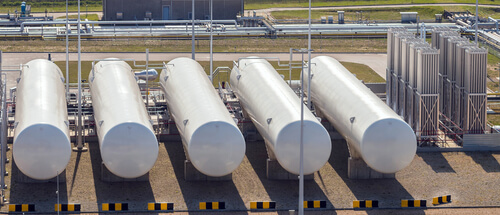
NGLs are often stored onsite in large pressurized storage tanks at gas processing plants. It’s crucial that these tanks and any associated piping and equipment be engineered to contain the NGLs safely. 


Tanks should comply with standards from organizations like the American Petroleum Institute. The proper construction materials, thickness, welds, valves, and gauges must be used. Tanks should also have emergency pressure relief mechanisms in case of over-pressurization. Regular inspection and maintenance are key.


Smaller NGL containers like drums and cylinders should also be robust and specifically designed for holding liquid hydrocarbons at pressure. Containers should be clearly labeled with their contents and any associated hazards. Never use an unapproved container to store NGLs. Proper personal protective equipment like fire-resistant clothing, gloves, and eye protection should be used when handling NGL storage containers.

Use Caution with Portable NGL Storage

Portable NGL storage tanks provide flexibility in containing and transporting NGLs onsite. These tanks are filled at processing units and transported for further loading, unloading, and use. Caution must be exercised during every step of working with portable NGL tanks.


Tanks should be designed for at least 1.5-2 times the maximum allowable working pressure of the NGL. Steel construction with welded, flanged, and threaded connections is preferable.


Only trained personnel should fill, transport, and offload portable tanks. Proper personal protective equipment must be worn.


Hoses and transfer piping should be resistant to NGLs and have the appropriate pressure rating. Connections must be tight.


During transport, tanks should be properly secured to trucks or trailers. Tanks must have shutoff valves.


Offloading should take place away from ignition sources in a contained area. NGLs should go directly into approved permanent storage infrastructure. 

Use Dikes and Containment Structures

As an added safety measure, permanent and portable NGL tanks can be surrounded by containment structures like dikes or catchment pits. 


These are barriers made of impermeable materials like concrete. They provide an extra layer of spill and leak containment in case of a breach in the tank itself. Dikes should hold a volume equal to 1.5 times the full volume of the tank. And the dike material must be compatible with exposure to NGLs.


Similarly, filling and offloading areas for NGL tanks and containers can be designed with curbs, berms, or drainage trenches for spill containment. Having containment measures and the appropriate absorbent materials on hand enhances the safety of any area where NGLs are transferred and stored.

Adhere to Codes and Inspect Storage Infrastructure 

There are a variety of occupational safety codes and standards in place for handling NGLs from organizations like OSHA and NFPA. Plant managers must be familiar with any regulations applicable to their site and make sure all NGL infrastructure adheres to the necessary codes. 


Regular inspection and testing ensure that tanks, piping, valves, and containment structures remain in satisfactory condition over time. Storage infrastructure should also be designed by qualified engineers familiar with NGL safety requirements.


It’s also crucial to have active leak monitoring, good ventilation, proper labeling, and restricted access to NGL storage areas. Fire suppression equipment, system interlocks, and emergency shutoffs add to the overall safety of the facilities as well. Plant personnel require ongoing training for operating NGL handling and storage equipment most safely.

Perfect NGL Storage Today, With Pro-Gas Services, LLC

Storing NGLs properly is vital for the safety of industrial facilities and personnel. Following the best practices outlined above for storage methods, containers, portable tanks, containment measures, and good design ensures NGLs are managed prudently. Safe handling and storage of these valuable gas plant products starts with working with our team at Pro-Gas Services, LLC.

We can help you find the right storage solutions for your NGLs and give your facility the edge it needs in our thriving industry. Contact us today to learn more about our product availability,

natural gas

The History of Using Natural Gas for Heating Homes

Natural gas has become one of North America’s most popular energy sources for heating homes. Natural gas’s convenient, clean-burning properties suit home heating systems well. But how did natural gas become integral to providing residential warmth? 


Let’s look closer at natural gas use throughout history and how we went from early times to full natural gas facility processing.

The Early Days of Manufactured Gas for Lighting and Cooking

The origins of using gas for residential needs can be traced back to the early 1800s. There were no official pipelines in cities, and gas was used mainly for lighting streets, businesses, and homes. Coal gas was also used for cooking in more affluent households. 


But it wasn’t until the last decades of the 1800s that using gas for heating came into broader use. Early gas heating systems were simple, relying on the open flame burners of gas lamps or plates to provide warmth to a room.

The Rise of Natural Gas and Closed Heating Systems

The development of long-distance pipelines brought naturally occurring gas from wells to population centers in the early 1900s. With this steady supply, closed central heating systems fueled by natural gas began to gain popularity in the 1910s and 20s. 


Early natural gas heating systems took the form of solid fuel stoves that had been converted to use gas. Heat circulates through rooms via free convection from the stove and radiation from stove pipe assemblies. These systems were a major advancement from wood and coal stoves in convenience and cleanliness.


However, fireplaces and stoves were still the main heat source during the early years. Heating systems using natural gas were for more affluent homeowners and businesses.


Natural gas wouldn’t expand to the average user via pipeline until the 1940s.

Natural Gas for Heating Expands after World War II

The interstate pipeline network greatly expanded in the 1940s and 50s, increasing the availability of natural gas across the country. With this improved access, natural gas heating systems grew to become the most common choice for new home construction. 


Smaller, more efficient gas furnaces and boilers made heating with natural gas economical. Improved designs also offered enhanced safety with the use of pilot lights and automatic valve shutoffs. This appealed to homeowners wanting to avoid the work and mess of coal furnaces.


The postwar economic boom and rise of suburbs led to rapid housing construction. These new neighborhoods were outfitted with natural gas, furthering its prominence. By the 1960s, gas heating was the preferred method for keeping a family warm.

Continuing Use Despite 1970s Shortages

Natural gas shortages through the 1970s temporarily disrupted the residential market. New connections were limited, and some switches back to heating oil occurred. But it remained the cheaper and preferred option for most homes with existing natural gas hookups. 


Shortages spawning from the oil embargo of 1973 spurred improvements in energy efficiency that would benefit gas heating. Building codes began requiring more insulation. Furnace efficiency standards also increased, lowering fuel usage.


Deregulation of natural gas in the 1980s enabled more production and stable supplies, leading to a rebound in new construction with gas heat. More efficient furnace designs such as condensing boilers also reduced consumption.

Natural Gas Heating in Modern Homes

Around 58 million U.S. households today use natural gas as their main space heating fuel. High-efficiency furnaces and boilers have minimized home heating costs while reducing emissions. 


Natural gas is now delivered through an extensive network of underground mains and service lines, creating ease of use and a comfortable environment for owners. Continued infrastructure maintenance and safety improvements by utilities ensure modern gas heating remains convenient and reliable.

Stay Up-to-Date On Natural Gas Access With Pro-Gas Service, LLC

Though refinements are still being made, natural gas heating has undergone relatively little change compared to the boiler and furnace systems of a century ago. Natural gas’s clean, economical properties continue to make it well-suited for providing warmth in homes across North America.


Pro-Gas Services specializes in providing the equipment that helps facilities and drill sites bring natural gas home to consumers.


If you’re ready to make your production facility the best it can be, contact us today to learn more about our available equipment.

rising gas costs

8 Tips to Save Money on Rising Natural Gas Costs

Natural gas prices have been on a roller coaster ride, decreasing and increasing steadily over the past year. 


Even though it feels like we’re in the heart of the summer, the truth is, fall and winter are coming up.


Much like summer’s AC bills, many households worry about affording their natural gas bills when the heat has to come on. 


The good news is there are several easy ways to cut down on your natural gas usage and save money without storing it in portable NGL storage


Let’s jump into our favorite savings tips.


1. Lower the Temperature on Your Water Heater 

One of the easiest ways to conserve natural gas is to lower the temperature setting on your water heater. 


Most come preset at 140 degrees Fahrenheit – way hotter than needed. The U.S. Department of Energy recommends lowering it to 120 degrees to reduce gas usage by 4 – 22%. 


The best part is you likely won’t notice the difference in your hot water temperature.

2. Seal Air Leaks 

Air leaks let out heated or cooled air, wasting energy. Take time to seal any leaks around windows, doors, electrical outlets, or wherever drafts may enter. 


Use caulk, weatherstripping, or foam sealant to fill the gaps. This extra step may seem tedious, but it prevents wasted energy from leaking outside.

3. Insulate Your Attic


Aside from sealing your home, adding insulation in your attic is one of the best ways to boost energy efficiency. ENERGY STAR recommends attics have at least R-38 insulation. That is about 10 – 14 inches of insulation thickness.


If yours is less, adding more insulation can really help trap heat in winter and reduce the amount of natural gas needed to keep your home warm.

4. Install Storm Windows

Storm windows create an extra barrier over your existing windows to prevent drafts. This added layer helps insulate your home better in winter, keeping warm air inside. Storm windows can slash heat loss through windows by 25-50%.

5. Use a Programmable Thermostat

One of the easiest ways to conserve natural gas is by installing a programmable thermostat. This allows you to set back the temperature at night or when you’re away from home. You can save about 10% per year just by turning the thermostat back 7-10°F for 8 hours daily.

6. Check for Leaks in Your Gas Lines

We talk a lot about natural gas safety at Pro-Gas. This even extends to checking your gas lines throughout your home.


Small natural gas leaks can really add up over time. Check flexible gas lines leading to appliances for any worn or cracked areas. Also, apply leak detector fluid on joints and connections to check for tiny leaks. Fixing minor leaks can save significant amounts of wasted natural gas and prevent natural gas poisoning.

7. Change Furnace Filters Monthly 

A dirty furnace filter makes your heating system work harder to keep your home warm. Be sure to change filters every month during winter for optimal efficiency. 


Clean filters keep airflow moving smoothly to reduce gas bills while keeping the heat on!

8. Switch to High-Efficiency Appliances

When old appliances break down, look for energy-efficient replacements. High-efficiency furnaces, water heaters, and other appliances consume less natural gas. 


Many utility companies offer rebates for upgrading to ENERGY STAR-certified appliances.

Stay Up-to-Date on Natural Gas and Oil With Pro-Gas, LLC

Implementing some of these natural gas conservation tips can help you save energy and money when the weather finally cools down.


Being proactive gives you greater control over your utility bills and contributes to greener practices abound in the natural gas industry.


Remember, every small change brings you closer to energy savings, and Pro-Gas, LLC is here to help.


Contact us to learn more about our facility and field equipment availability.

Odd Oil and Gas Industry Superstitions

Working on an oil rig is a dangerous job. When your office is an industrial complex towering over the ocean, and your commute involves helicopter rides hundreds of feet in the air, it’s no wonder oil rig crews have developed superstitious beliefs and rituals over the years. 

Everyone wants a sense of control and luck at their job. Oil and gas employees are no different. 

Let’s explore some of the fascinating folklore passed down through generations of oilmen that help make the oil and gas environment an easier place to work.

Never Make Plans After Work

Whether you’re mining for oil or processing it in a facility, the days can be long and unpredictable. No matter how much you love your job, no one really wants to pull an 18-plus-hour shift.

According to workers on a Reddit thread, talking about plans after work or even bringing up the idea of a day being “easy,” casts a shadow across the rig and will usually leave workers with more work than they’ve planned for.

Giving the Rig a Name 

When a new oil rig is constructed, it is customary for the crew to christen it with a name before commencing drilling. This naming tradition dates back over a century in the oil fields.

Names are chosen carefully, often with a nod to the rig’s location, the petroleum company, or hopeful drilling prospects. Examples include the Cognac Platform, the Pompano Platform, and the GreatWhite Rig. 

The rig name is thought to bring it to life and give it a unique personality. Crews feel a sense of ownership and connection over “their” rig when it bears a special name.

Never Discuss a Blowout or Explosion

Author Jim Harris states that oil workers believe it’s bad luck to discuss any previous explosion or work-related disaster on a rig or site. It’s believed that bringing up past incidents at a rig site will bring on such a catastrophe to the current workers.

We’re not sure about the truth behind this superstition, but we don’t think anyone should ever think twice about ignoring the safety hazards behind working in our industry.

Lucky Hard Hats

Oil workers are usually found attached to a hard hat. It’s a common practice that keeps employees safer on the job. While most would like to keep their hard hats in pristine condition, superstitious oil workers of days gone believed that washing a hat was bad luck.

While we can’t attest to the luck factor of a dirty hard hat, we believe keeping it clean helps preserve its integrity and keeps oil workers safer in a hazardous environment.

No Cherry Pies and Chicken Bones Allowed

If you love cherries and chicken, then we suggest staying away from an oil field if you’re superstitious. These two food favorites are said to bring bad luck industry-wide. Rumor has it that things start going wrong within minutes when either of these foods is on-site.

Avoid Superstition With Quality Equipment From Pro-Gas Services, LLC

Daily rituals can provide comfort and order in the high-risk world of oil drilling. While these customs may seem eccentric, they speak to the human need for control over circumstances. 

Although we understand the thought behind superstitions, the team at Pro-Gas, LLC believes in providing state-of-the-art equipment to rigs and fields that keep workers safe on top of potential superstitious practices.

Contact us today to learn more about our services and product availability.


Person Cooking Over a Gas Stove

The Pros and Cons of Cooking with Natural Gas vs. Electric

Cooking is an essential part of our everyday lives. When it comes to choosing between a gas or electric stove and oven, there are several factors to consider. 


While we at Pro-Gas Services, LLC are a little biased when it comes to where we land on the gas vs. electric battle, we understand there are some pros and cons that need addressing.


After all, we mainly work with the natural gas facilities that produce the final product. So, providing an in-depth look at energy costs, safety, indoor air quality, and cooking performance can give the average consumer a little more clarity into why we love our industry!


Let’s dive in and get into the differences between cooking with natural gas and electricity.

Energy Costs

One of the biggest deciding factors between gas and electricity is energy costs over time. Natural gas tends to be cheaper than electricity for equivalent amounts of energy consumed. According to data from the U.S. Energy Information Administration (EIA), the average household typically pays more money for electricity over natural gas consumption.


Gas stoves and ovens are powered by burning natural gas, which provides direct heat energy to cook food. Electric stoves convert electricity to heat, which involves some energy loss in the process. This makes natural gas a slightly more efficient energy source for cooking.


However, energy prices can vary significantly by location. Regional costs for each fuel source and special rates from local utility providers play a role. 

Safety Considerations 

Safety is a priority for any home appliance, especially in the kitchen. Both natural gas and electric stoves carry risks if not used properly.


Gas stoves and ovens produce carbon monoxide, which is odorless and toxic. Faulty or damaged gas appliances can leak and endanger your home’s indoor air quality. Ensuring proper gas safety and ventilation with a range hood is critical when cooking with gas. 


Electric stoves and ovens don’t produce carbon monoxide or combustion byproducts, but they carry electrical hazards. Faulty wiring can cause electric shocks or fire risks. Burns are also a potential danger with exposed electric coils on cooktops.


Overall, using either fuel source safely comes down to proper installation, maintenance, and ventilation. But many argue gas stoves present slightly higher safety risks if not addressed.

Indoor Air Quality

How natural gas and electric stoves impact indoor air quality is another comparison point.


Gas stoves naturally produce air pollutants like nitrogen dioxide, carbon monoxide, and formaldehyde when in use. Long-term exposure to these gases has been linked to increased risks of asthma, cardiovascular disease, and other health problems. 


While there’s no getting around it, there are ways like ventilation and air purification systems to help mitigate the risks of natural gas air pollutants in the home.


Electric stoves avoid direct emissions within the home, although they still produce some ultrafine particles from cooking. 

Cooking Performance

Many home chefs have strong opinions on whether gas or electric offers better cooking performance. Much of it comes down to personal preference.


Gas stove tops provide instant, precise heat control. The open flame can reach a hotter maximum temperature for tasks like searing meat. 


Electric cooktops take slightly longer to heat up but can allow for more even distribution of heat across pans. Newer induction cooktops also allow for precise temperature control.


For gas stove enthusiasts, the responsive open flame is hard to beat, and despite advancements in electric technology, perfecting the art of cooking over a flame is a great way to show off your cooking skills.

Cost of Upgrading Infrastructure 

Converting a home from electric to gas or vice versa requires upgrading the existing infrastructure. This may influence which type of stove you can or want to install.


Adding natural gas to a home costs between $360 and $740 on average if the main utility line reaches the property, but costs can easily go above $1,000 for gas installation. 


Swapping an electric stove for gas also means adjusting cooking techniques. Familiarizing yourself with the open flame can take time.


Meanwhile, upgrading from gas to electric requires no special infrastructure changes. But you’ll still have costs for permits, disposal of the old unit, and buying a new stove.

At Pro-Gas, We Believe the Right Choice Depends on Your Needs

When deciding between natural gas and electric stoves, the main choice is really up to you.


Natural gas offers lower energy costs in many regions and the responsive control of an open flame. But electric stoves can bring a cleaner cooking experience without combustion byproducts. 


At Pro-Gas Services, LLC, we are always eager to share the latest news, tips, and tricks surrounding our industry. Whether you’re a facility looking for gas conditioning equipment or a consumer concerned about the state of the industry, our team always has your back.


Contact us today to learn more about our services.

gas conditioning

Best Practices for Safety and Compliance in Gas Conditioning

Gas conditioning plays a critical role in the energy industry. As we all know, natural gas isn’t consumer-ready and must undergo a series of processes to remove impurities and ensure it meets the required quality standards.


Gas conditioning is essential for enhancing efficiency and safety for consumers. However, the process also comes with inherent risks if not managed properly. 


To safeguard the environment, workers, and the public, stringent safety regulations and best practices must be a priority at your facility. 


Let’s go beyond the importance of gas conditioning and explore the importance of safety and compliance in the process, along with the latest best practices to ensure a secure and sustainable operation.

The Importance of Safety in Gas Conditioning

Safety should be the foremost consideration in gas conditioning processes due to the nature of the substances involved. 


Natural gas often contains impurities, including hydrogen sulfide, carbon dioxide, and water vapor, which can be hazardous if not properly managed. 


Gas conditioning facilities deal with high pressures, extreme temperatures, and potentially toxic chemicals, making safety protocols a crucial aspect of their operations. Let’s dig into some of the biggest safety measures facility managers can take to keep their employees safe.

Implementing Comprehensive Risk Assessments

Before commencing any gas conditioning project, a comprehensive risk assessment must be conducted to identify potential hazards and their corresponding mitigation measures. 


Facility managers should work closely with experienced engineers and safety experts to assess and address risks effectively. 


The risk assessment process helps facilities and equipment operators identify potential risks and hazards. As these practices keep safety in mind, they prevent accidents and ensure personnel start the process with the best foot forward. 

Regular Inspections and Maintenance

Periodic inspections and maintenance are essential to identify and address equipment wear and tear, potential leaks, and other safety concerns. We suggest inspecting gas coolers and other production equipment every six months. 


These pieces of equipment are put through heavy use, and implementing preventive maintenance measures can significantly reduce the likelihood of equipment failure and subsequent safety incidents. 

Ensuring Compliance with Regulatory Standards


Compliance with regulatory standards is non-negotiable when it comes to gas conditioning. Governments and international bodies have established strict guidelines and regulations to ensure raw natural resources are safely transformed into consumer products used around the world. 


Gas production companies must adhere to these standards to prevent accidents, protect the environment, and maintain the integrity of the gas supply chain.

Understanding Local and International Regulations

Gas conditioning facilities are subject to a wide range of regulations at the local, national, and international levels. Compliance requirements may vary depending on the location, size, and type of gas conditioning operation. Staying informed with the Texas Administrative Code about the latest updates and amendments to relevant regulations is crucial to maintain compliance and ensuring all-around safety.

Thorough Safety Training

It’s no secret that drill sites and natural gas production facilities are physically risky locales for employment. Injuries are common in the oil and gas industry. Unfortunately, when these accidents occur, they can come with a deadly aftermath. 


As with any industry, our goal is to ensure our employees operate equipment safely and can live out a comfortable, confident tenure at the facilities they work with.


Safety training resources are now readily available to those in oil and gas, so you and your team can always remain on top of the latest equipment safety measures and requirements.


Perfect Your Gas Conditioning Process With Pro-Gas Services, LLC


Ensuring safety and compliance in gas conditioning is a paramount responsibility for natural gas production facilities. By implementing comprehensive risk assessments, regular inspections, and maintenance, operators can minimize potential hazards and protect workers and the environment. 


Keep in mind, however, that excellent safety practices start with excellent equipment. At Pro-Gas Services, LLC, our gas conditioning equipment and other leading products and services help keep the facilities we serve functioning safely and efficiently.

natural gas reserves

The State of U.S. Natural Gas Reserves

Natural gas is a product that keeps our world in motion. Fortunately, the United States has access to several natural gas reserves across the nation.


Natural gas, however, is a limited resource, and national production facilities and even consumers need to understand the state of mining areas in various regions.


Let’s take a closer look at a snapshot of the current state of affairs within shale locations in the country and find out more about the direction our industry is headed

Marcellus Shale

Located primarily in Pennsylvania and West Virginia, the Marcellus Shale is one of the largest natural gas fields in the United States. It covers a vast area and has significant reserves of natural gas.


As of 2019, the Marcellus Shale has proven to be a fruitful but limited resource for natural gas. It is expected to last a maximum of 92 years. However, don’t let the expiration date scare you off, there is still an estimated 214 trillion cubic feed of undiscovered natural gas throughout the shale.

Utica Shale

Situated beneath the Marcellus Shale, the Utica Shale extends across parts of Ohio, Pennsylvania, and West Virginia. It contains substantial natural gas resources and is considered an attractive location for drilling.


The Utica Shale is an extremely fruitful location for both natural gas and oil extraction. It currently contains around 38 trillion cubic feet of natural gas, 208 million barrels of natural gas liquids, and around 940 million barrels of crude oil! 


Since this shale is located a few thousand feet below the Marcellus Shale, it hasn’t extensively been explored. However, with technological advancements in horizontal drilling and hydraulic fracturing, our industry is expected to begin to make the most of what this underground wising well offers.

Haynesville Shale

The Haynesville Shale is located in Louisiana and Texas. It is another prominent natural gas deposit that is known for its vast reserves and has been a significant contributor to the United States’ natural gas production.

The Haynesville Shale has recently begun to live up to the high production standards that Texas and Louisiana hold it to. In March 2023, the shale produced an average of 14.5 billion cubic feet per day, a record high for the location!

Eagle Ford Shale

Situated in South Texas, the Eagle Ford Shale is a prolific natural gas and oil field. While it is renowned for its oil production, it also contains substantial amounts of natural gas. The shale experienced a decline in production throughout 2020. However, industry experts predict production levels to expand and grow beyond pre-pandemic levels by 2025.

Stay Up-to-Date on Natural Gas with Pro-Gas Services, LLC

The natural gas industry is subject to changes and developments over time. This makes critical services like NGL storage and excess reserves an important solution for preserving the state of our limited resources. 


As exploration and production companies continually assess new areas and technologies, the landscape of natural gas extraction evolves, and we’ll eventually have further updates on these and other natural gas extraction locations.


Stay tuned to our blog for these and other news updates surrounding our industry.


Contact us today to learn more about the services we provide that can improve your facility and mining sites.

liquefaction

The Liquefaction Process for Natural Gas: Unlocking Energy’s Hidden Potential

In today’s rapidly evolving energy landscape, the demand for cleaner and more efficient sources of fuel is paramount. With its abundant availability and lower carbon emissions than other fossil fuels, natural gas has emerged as a significant player in meeting global energy needs. 


However, natural gas isn’t mined for consumer use from the start. To harness its full potential, the liquefaction process plays a crucial role. At Pro-Gas Services, we love discussing the ins and outs of the oil and gas industry. Let’s explore the liquefaction process for natural gas and delve into why it is essential for our energy future.

Why Does Natural Gas Liquefaction Matter?

Natural gas primarily consists of methane (CH4), a hydrocarbon compound. In its gaseous state, natural gas requires a large volume for storage and transportation, limiting its utility. The liquefaction process condenses natural gas into a liquid form, known as liquefied natural gas (LNG), making it more manageable and convenient for consumer use.


There are many reasons why liquefaction is a critical process in the natural gas industry.


Some of the most common reasons behind the process include:


  • Liquefaction reduces the volume of natural gas, making it easier and more cost-effective to store and move to consumers.
  • Easier importing and exporting for global trade
  • Liquefaction allows for rural and offshore locations to have a reliable avenue for accessing natural gas.
  • LNG provides an excellent backup for intermittent renewable energy sources like solar and wind power.

Understanding Natural Gas Liquefaction

The liquefaction process involves several stages to convert gaseous natural gas into LNG. Let’s examine the process step by step.

Removal of Impurities 

Before liquefaction, the raw natural gas undergoes a purification process in a separator. Impurities such as water, oil, condensates, carbon dioxide, and hydrogen sulfide are removed to prevent contamination and enhance or “sweeten” the quality of the final product.

Compression and Pre-Cooling

In this stage, the natural gas is compressed to increase its pressure. Compressing natural gas raises the temperature of the gas, making it more moveable through pipelines and consumer networks. Compression ultimately prepares natural gases for the cooling process ahead.


The compressed gas is then cooled using a natural gas cooler. This pre-cooling step lowers the gas temperature to around -50 degrees Celsius, causing it to enter its NGL state.

Liquefaction 

The pre-cooled gas, now in a semi-liquid state, is further cooled using a refrigeration system. This intense cooling drastically reduces the NGL’s temperature causing the NGLs to condense into LNG. The LNG is then collected and stored in specialized cryogenic tanks for transportation and storage.

Storage and Transportation

LNG is typically stored in large, insulated tanks to maintain its extremely low temperature. These tanks are designed to withstand cryogenic conditions and keep the LNG stable until it reaches its destination. The LNG can be transferred onto portable NGL storage containers for easy transportation or quick storage at a local natural gas production facility. 

Settle Your Liquefaction Easier, With Pro-Gas Services, LLC

The liquefaction process for natural gas has revolutionized the energy industry, enabling the efficient storage, transportation, and global trade of this abundant fossil fuel.


However, achieving a perfect final product involves working with the right equipment to get the job done. At Pro-Gas Services, we understand the importance of a sustainable energy future and natural gas liquefaction. We offer a wide range of equipment and services that can help facilities nationwide create portable, usable natural gas products that keep the world energized.


If you’re ready to invest in a gas cooler package or another service we offer to benefit your efforts, contact us today to learn more!